Practical organic growing guides
Clear, experience-led advice to help you build healthier soil, grow resilient crops and make confident decisions in changing conditions—without unnecessary complication.
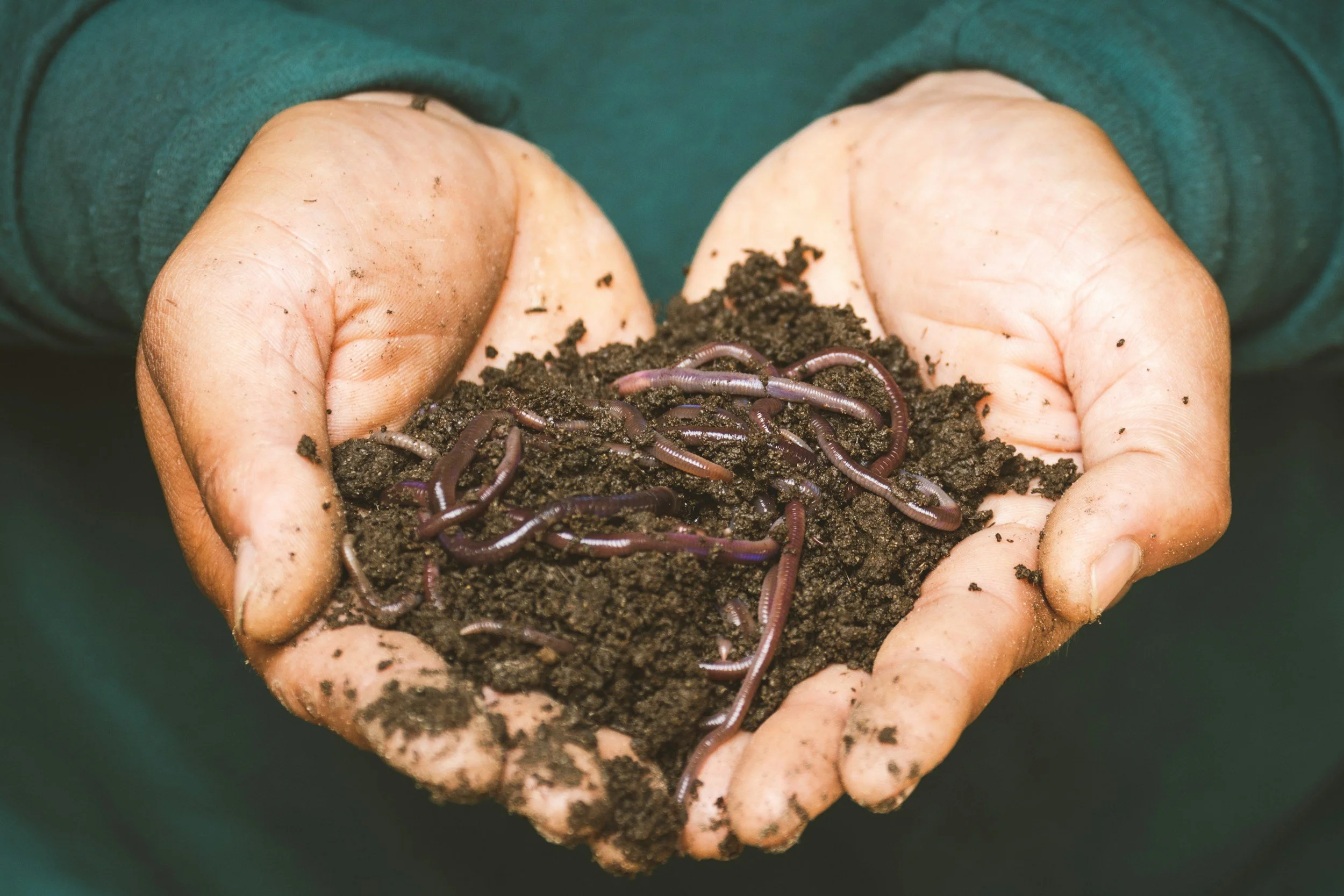
Compost & Soil Health
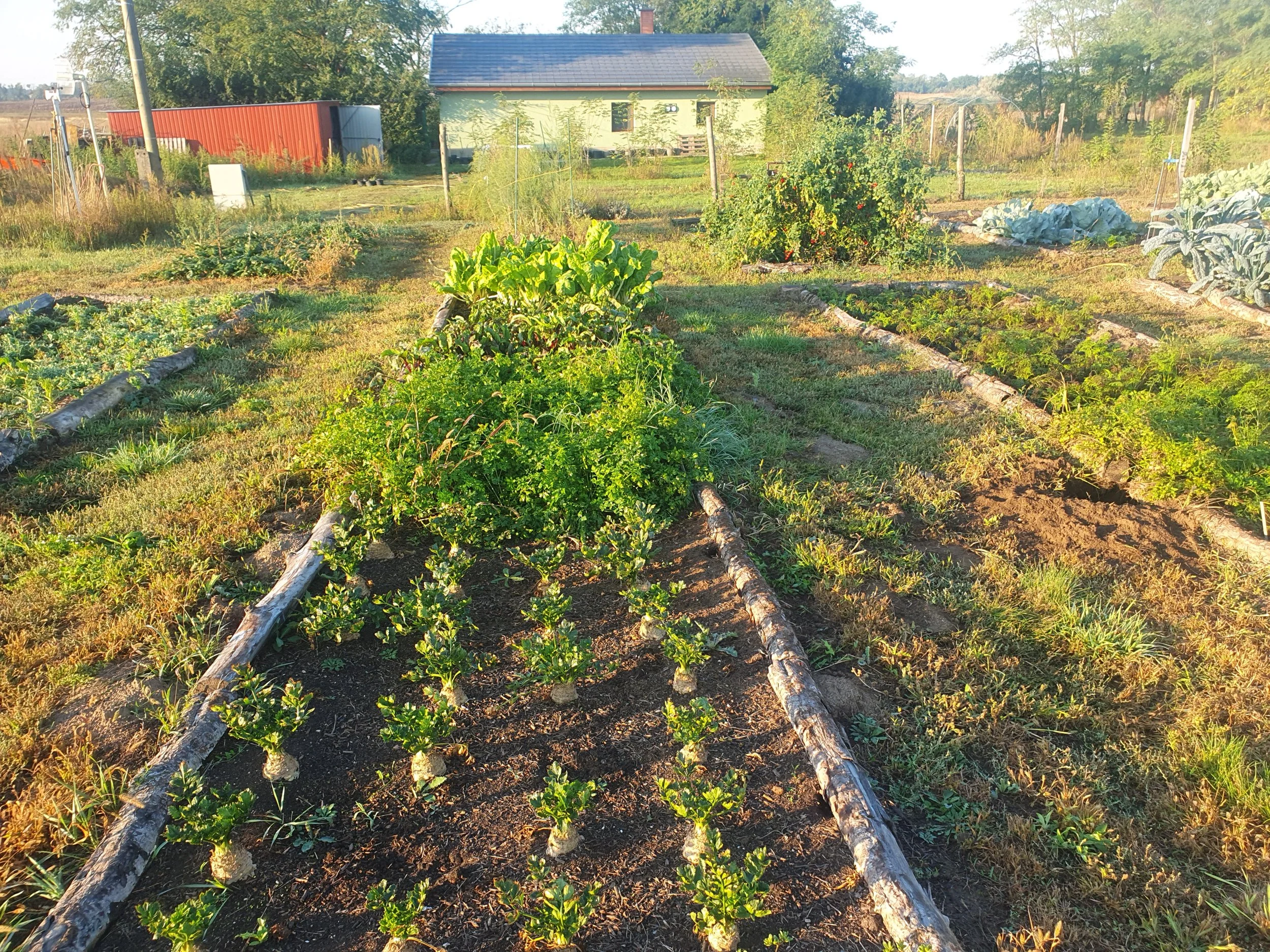
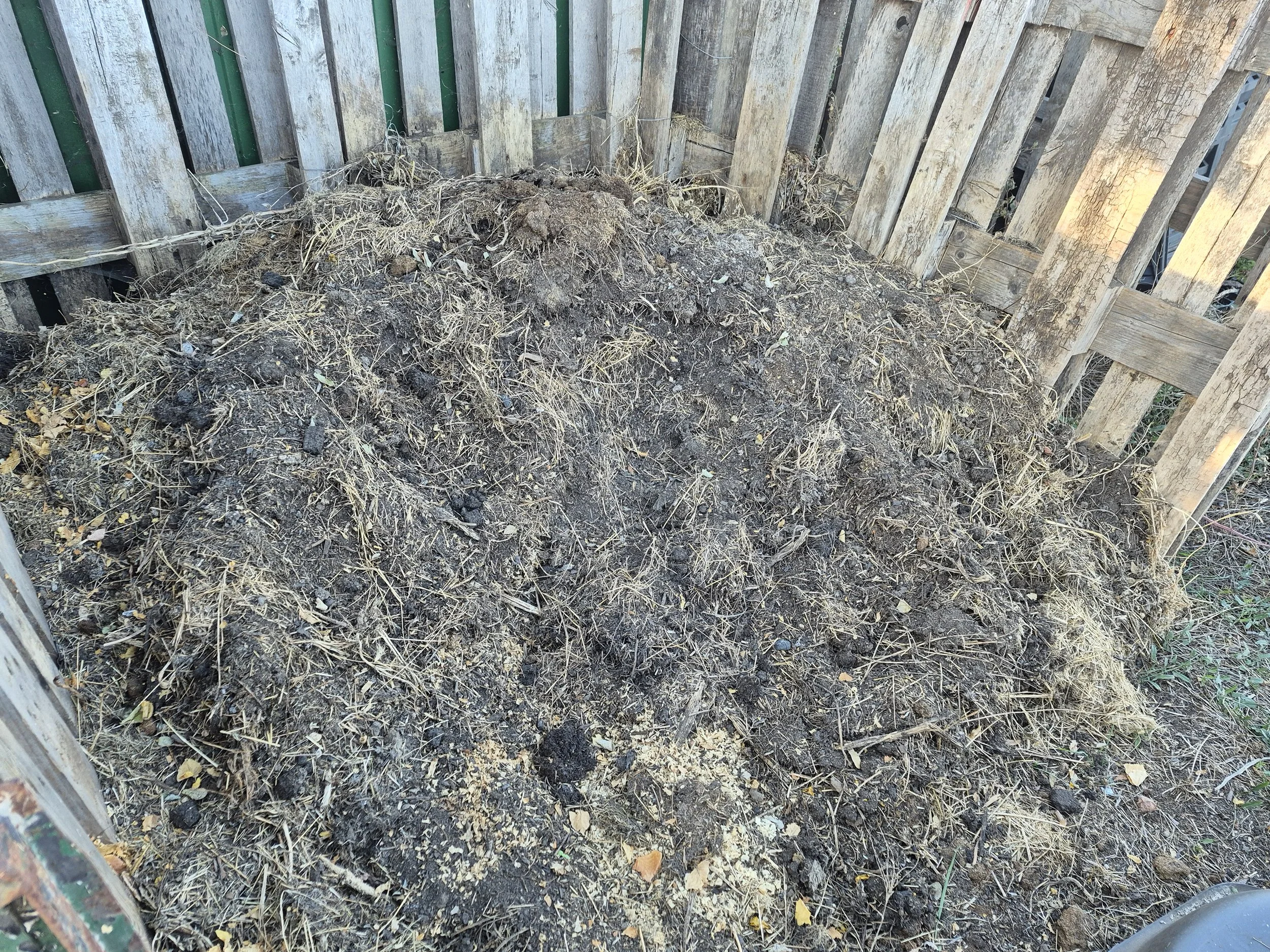
Practical guides to making compost, improving your soil naturally and creating the healthy, living conditions your plants need to thrive.
Sowing & Seed Starting
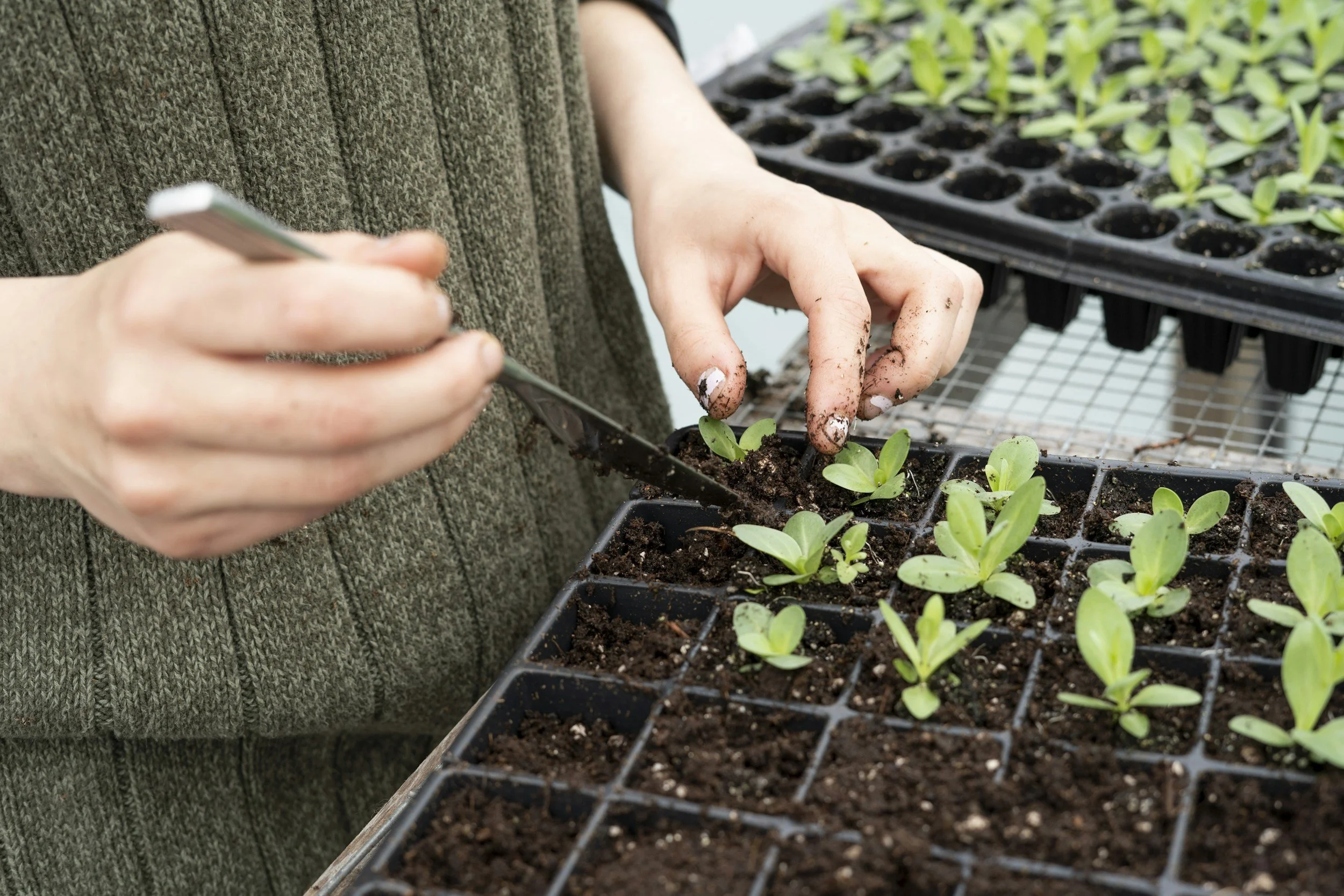
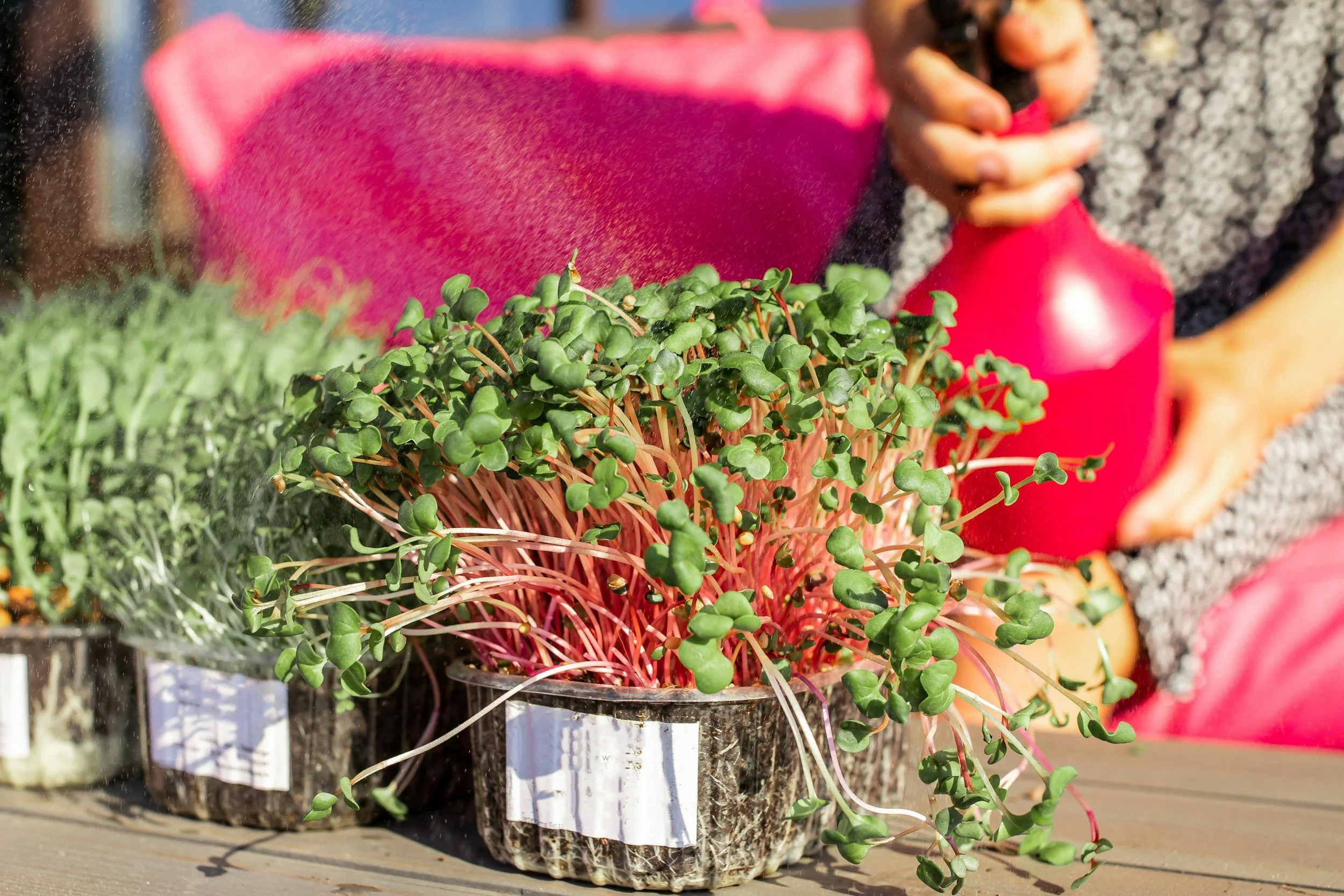
Learn when and how to sow seeds successfully, whether you are starting them indoors, under cover or directly in the garden. These practical, location-aware guides will help you raise strong seedlings and adapt your timing to your own climate and conditions.
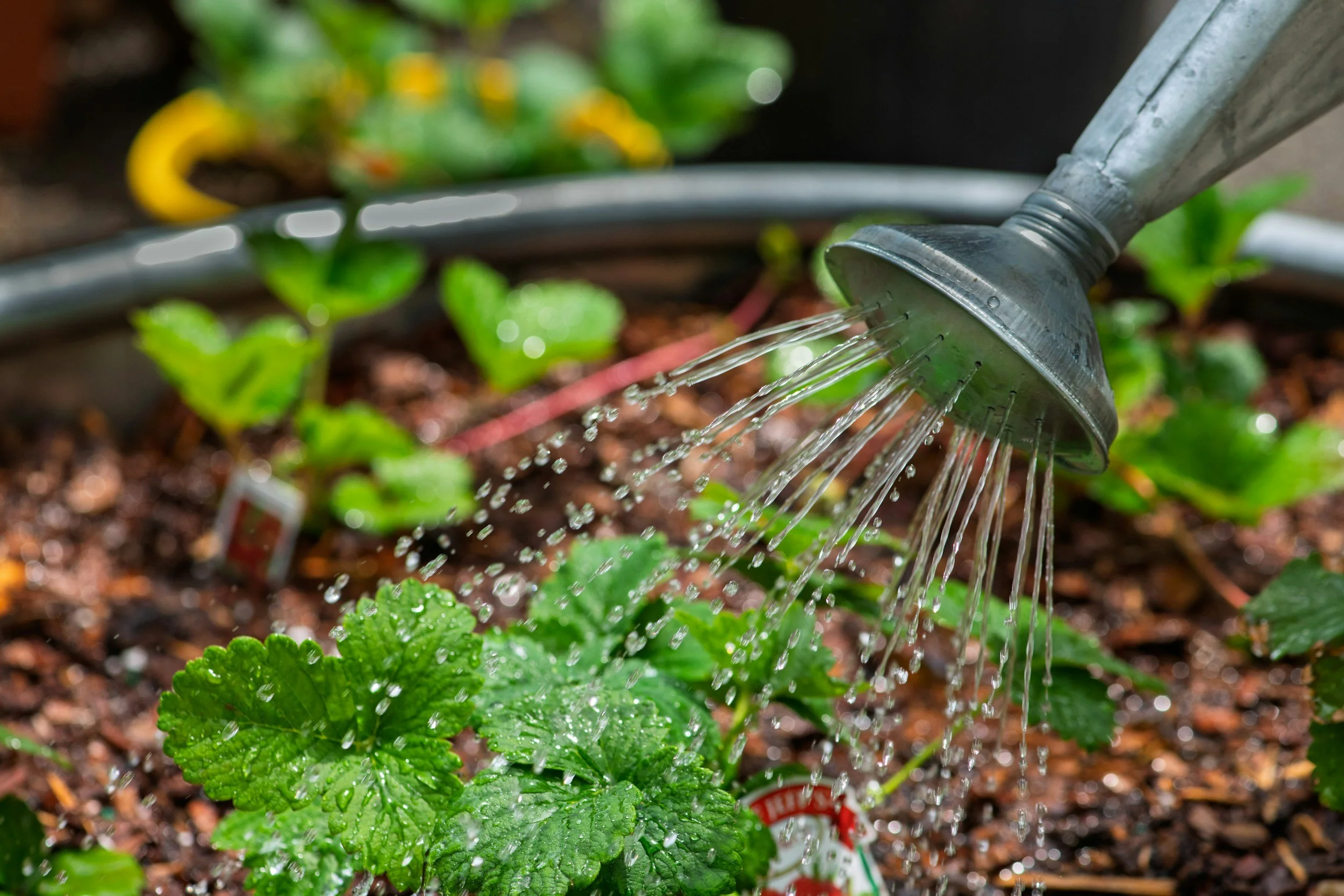
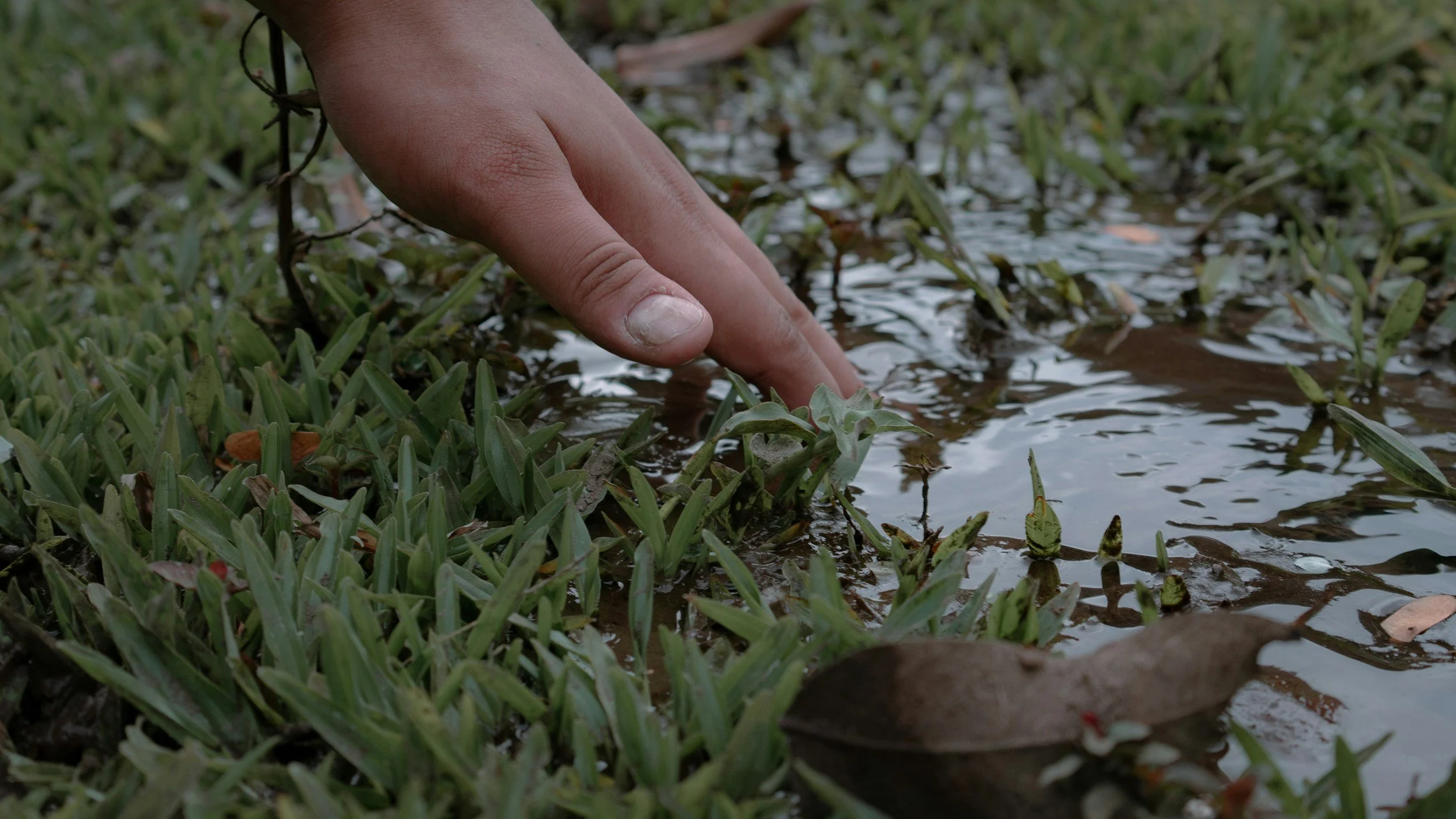
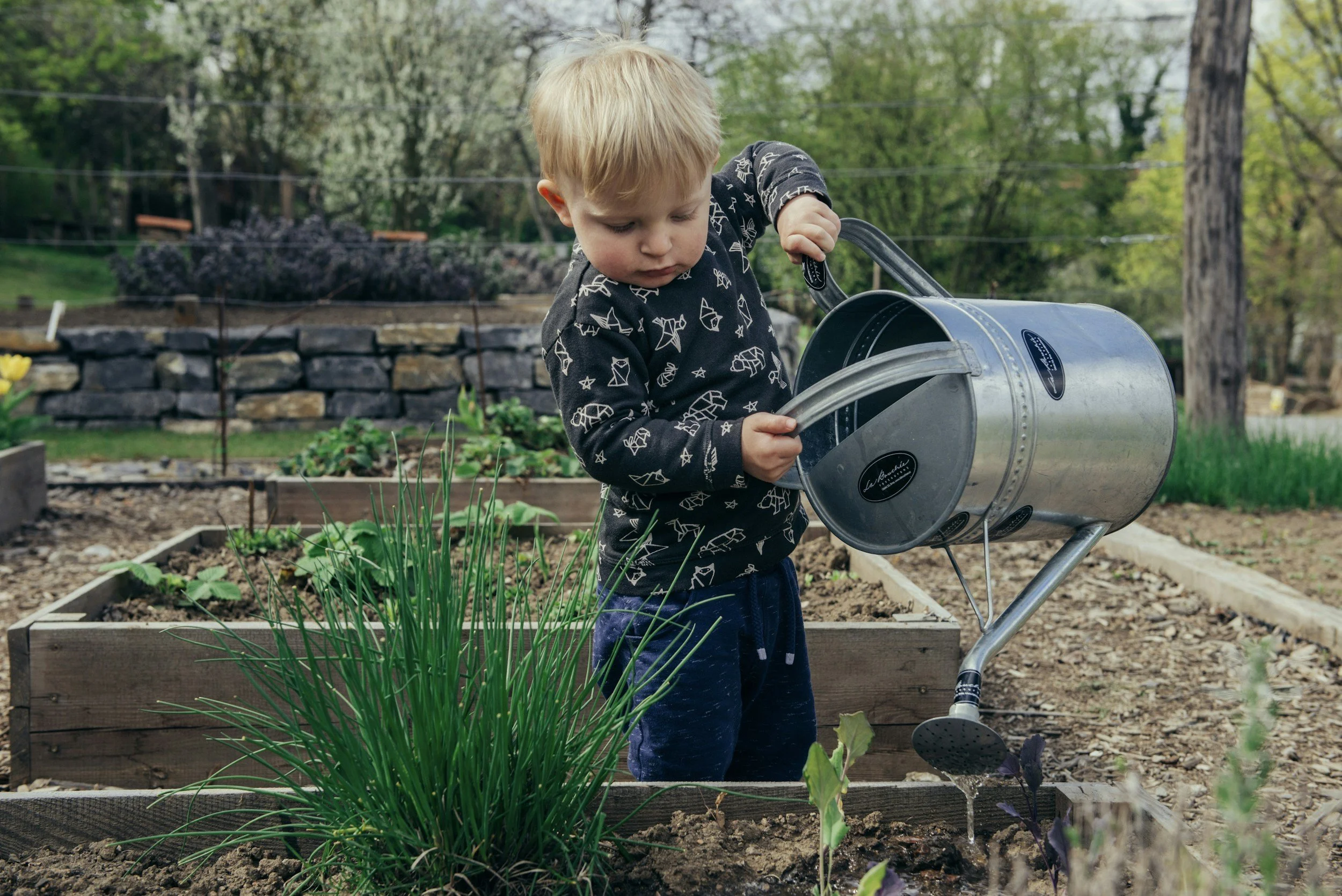
Watering & Weather
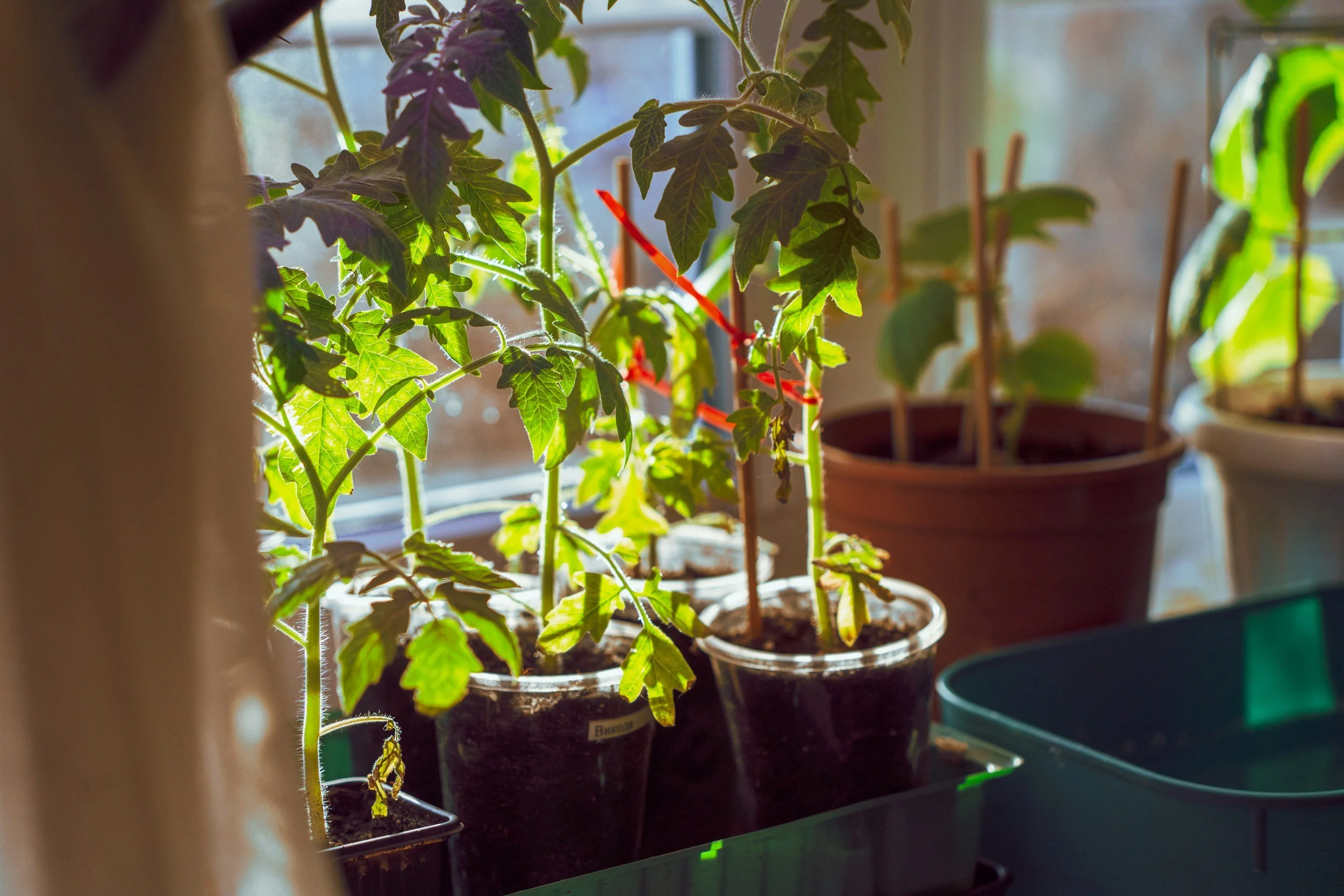
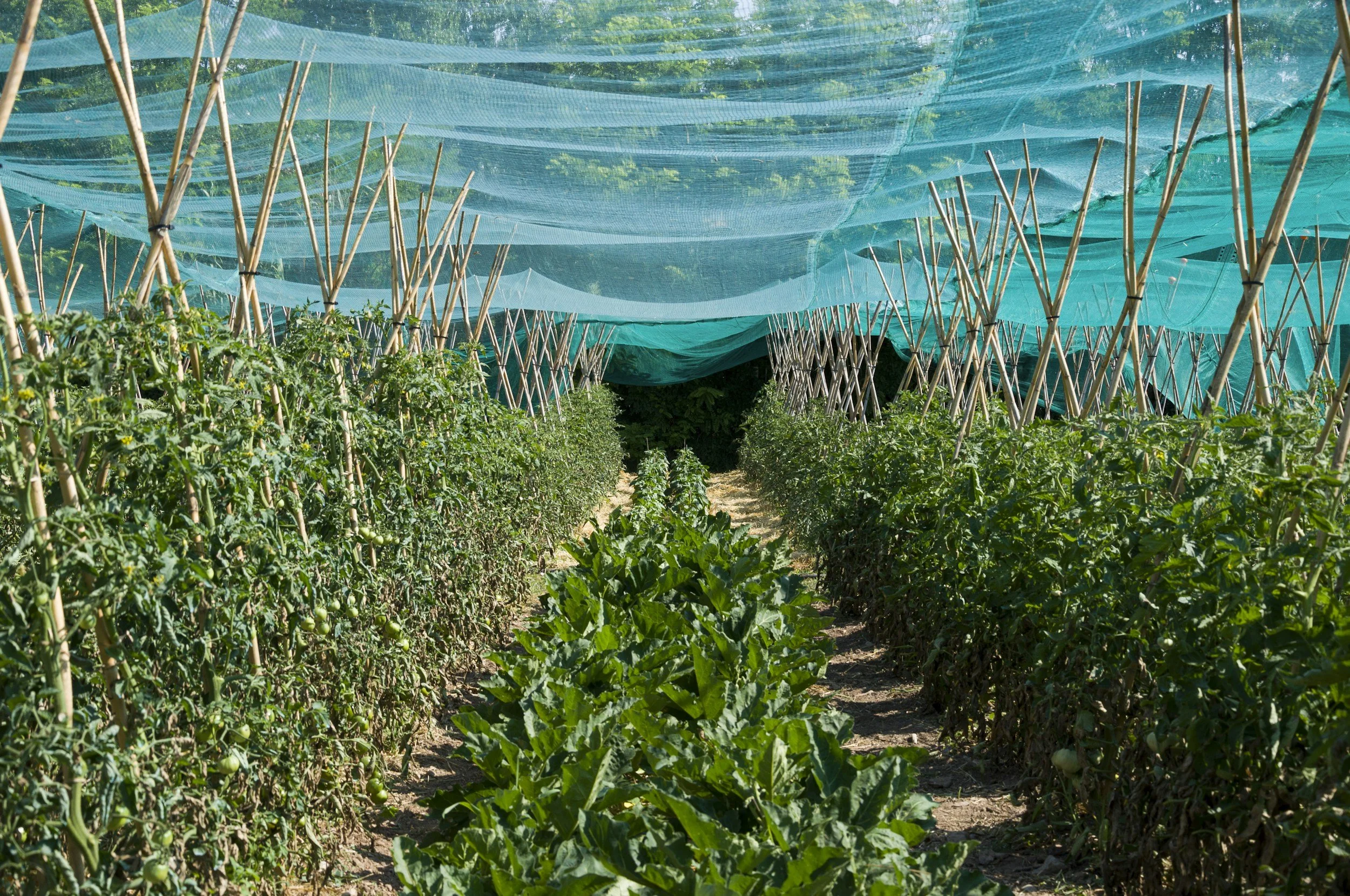
Learn how to water wisely, protect plants from extreme weather and adapt your garden to changing conditions. These practical, location-aware guides cover soil moisture, efficient watering, rainwater collection, heat, drought, frost, wind and heavy rain.

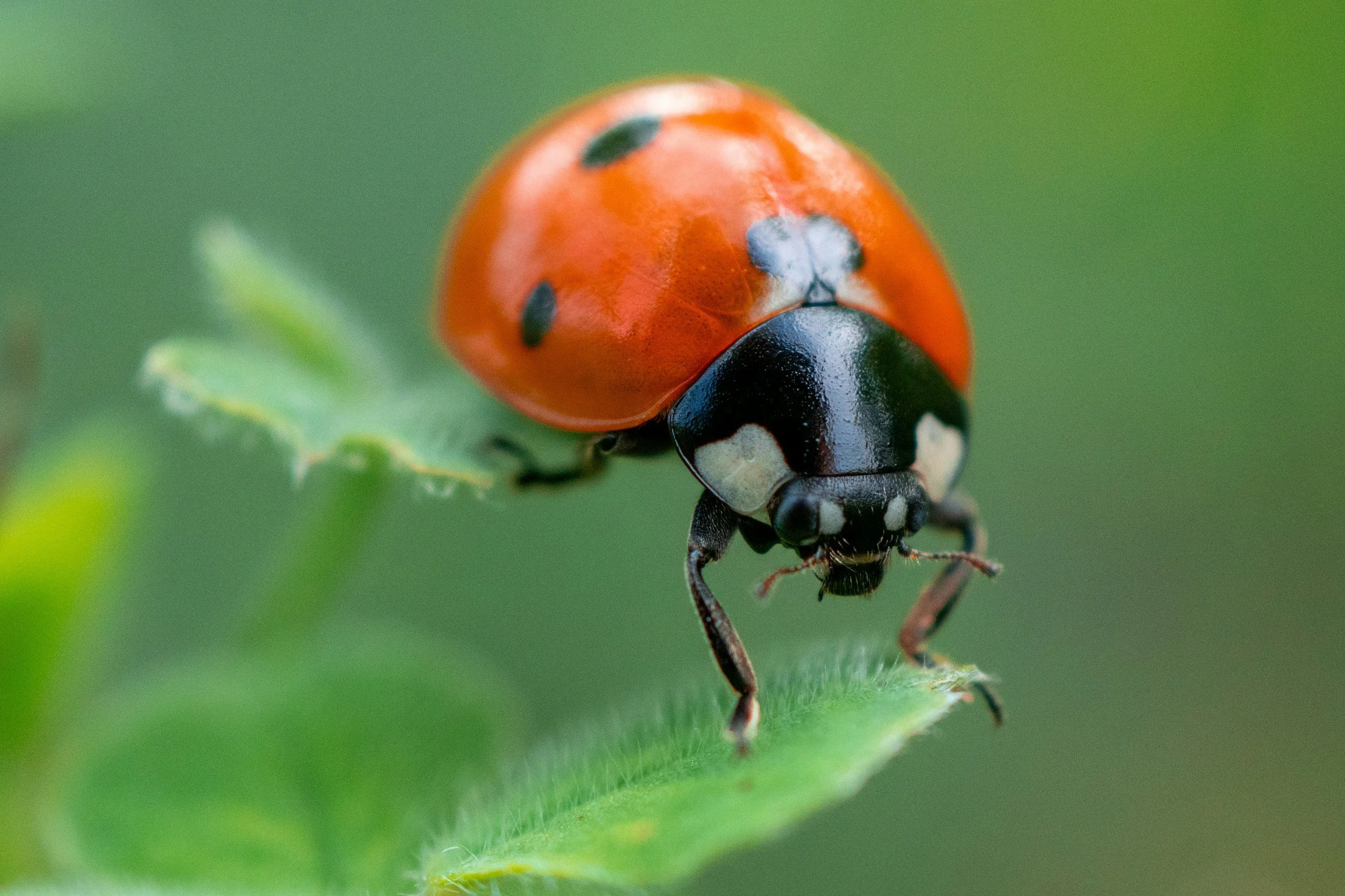
Organic Pest Management

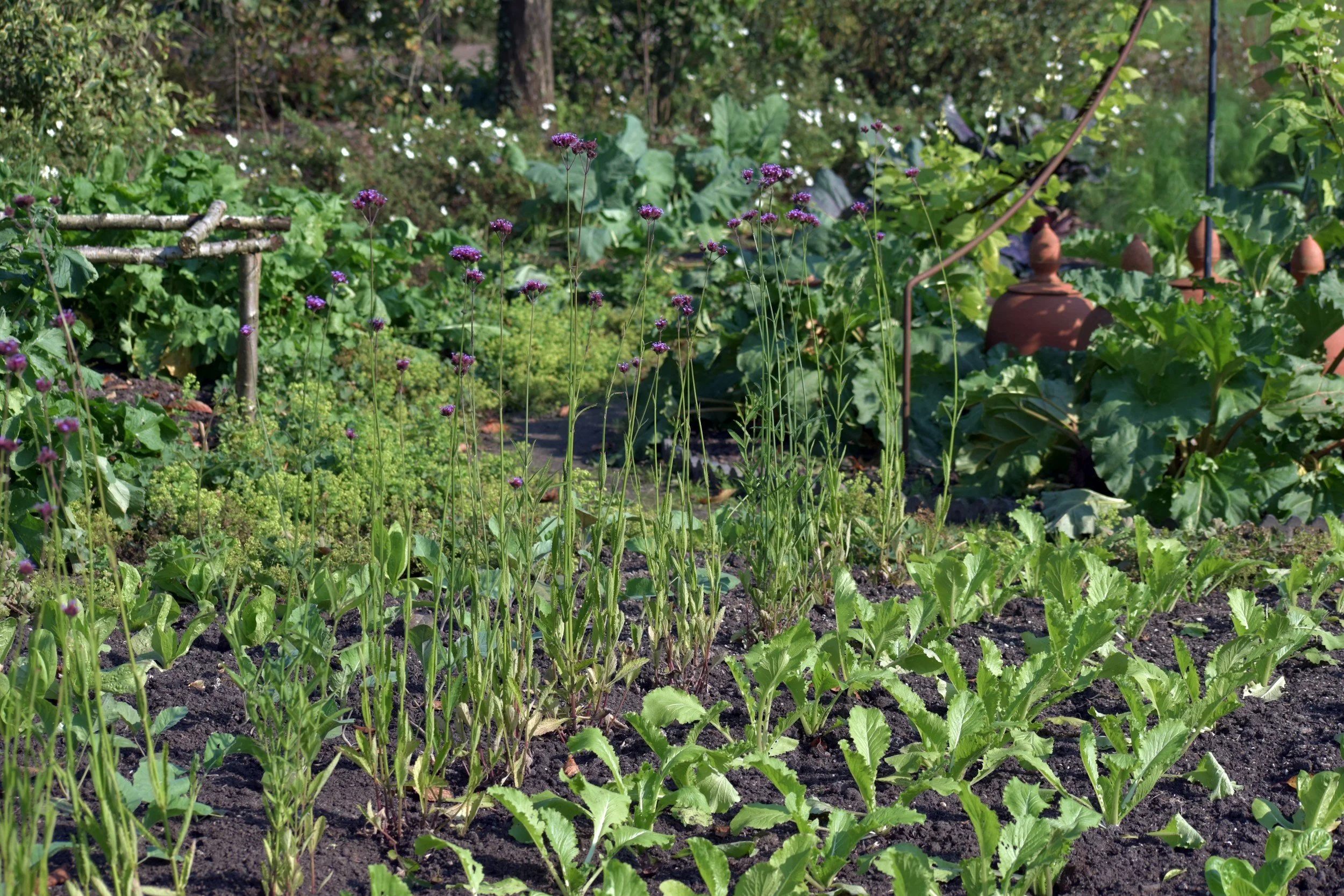
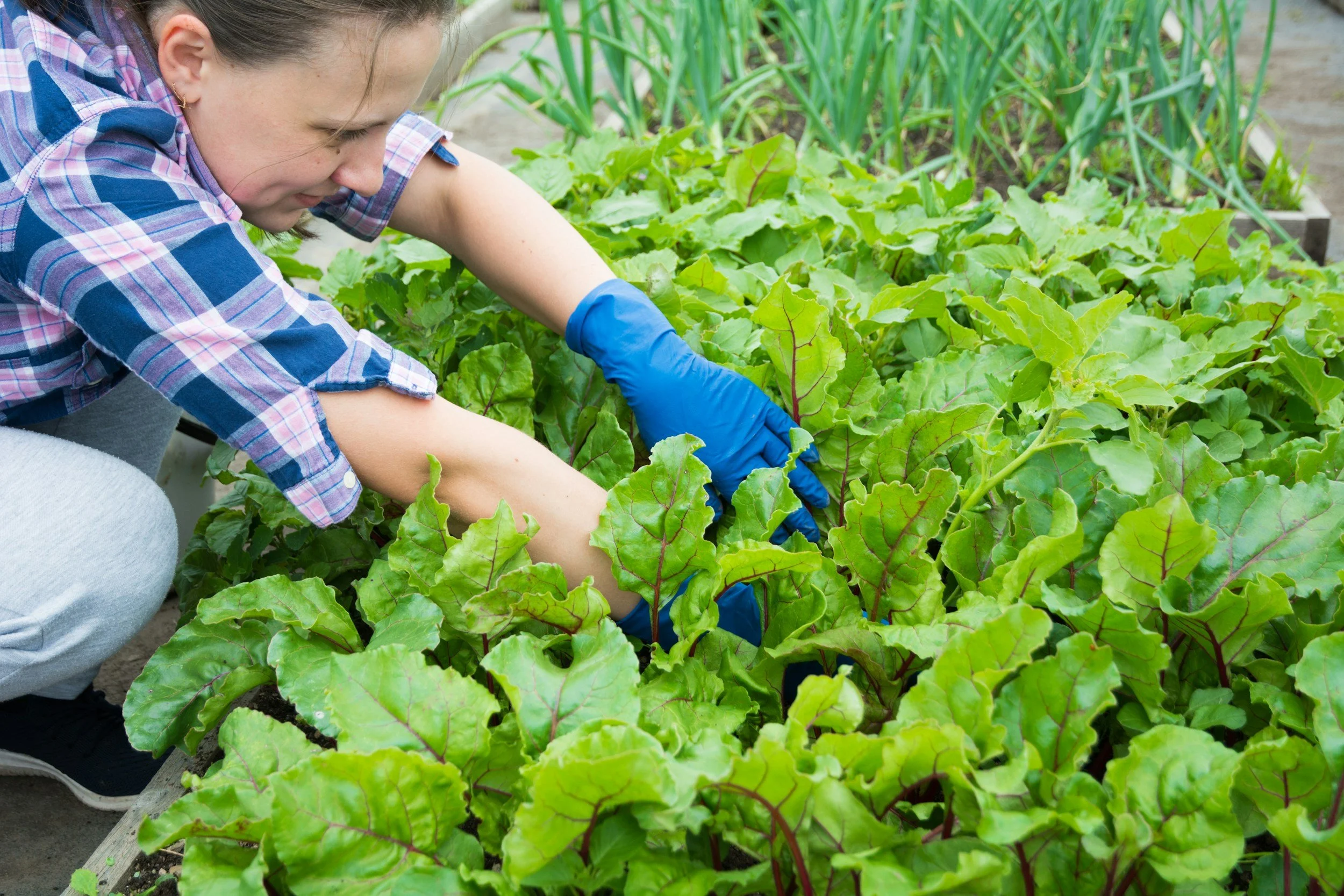
From Garden to Kitchen
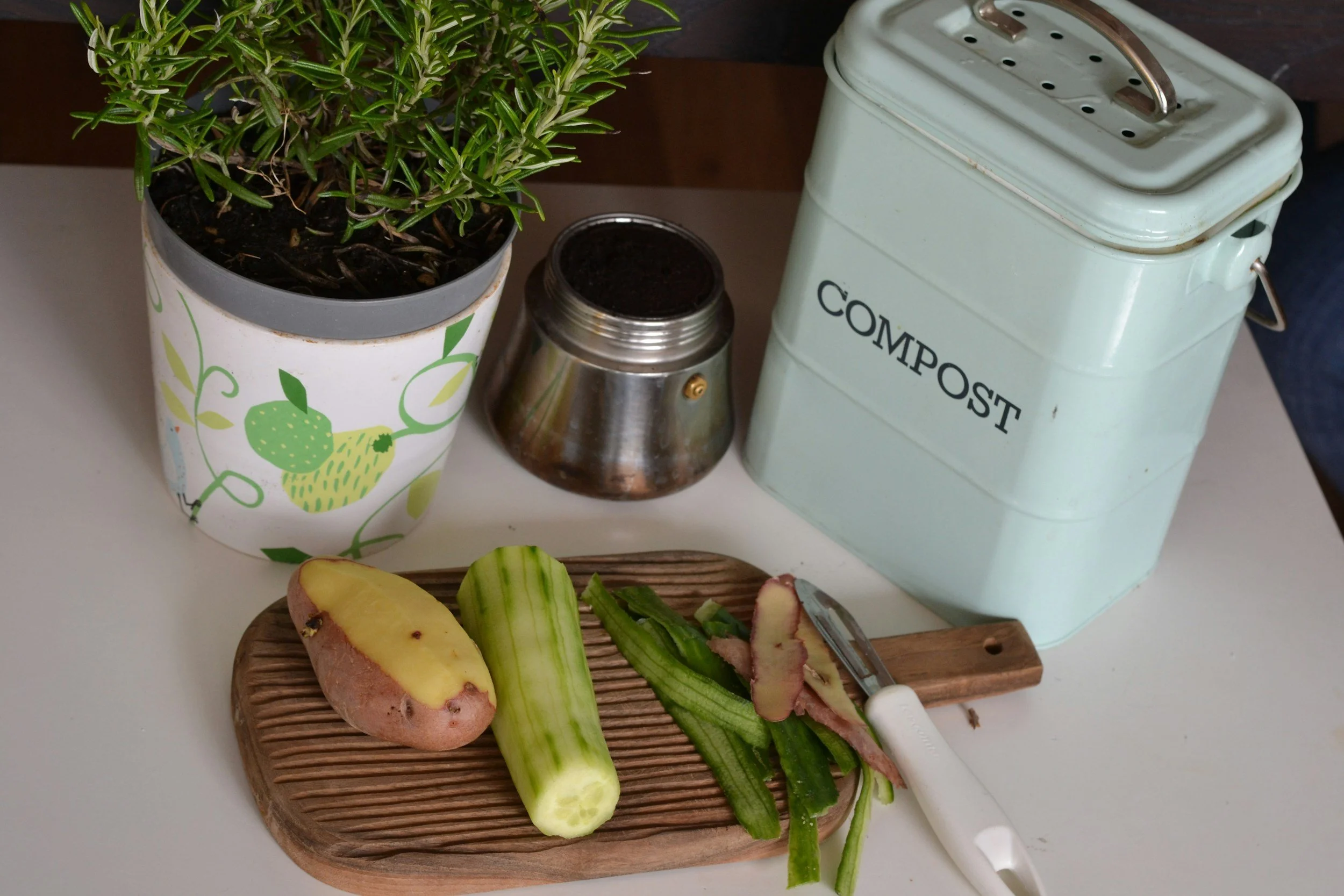
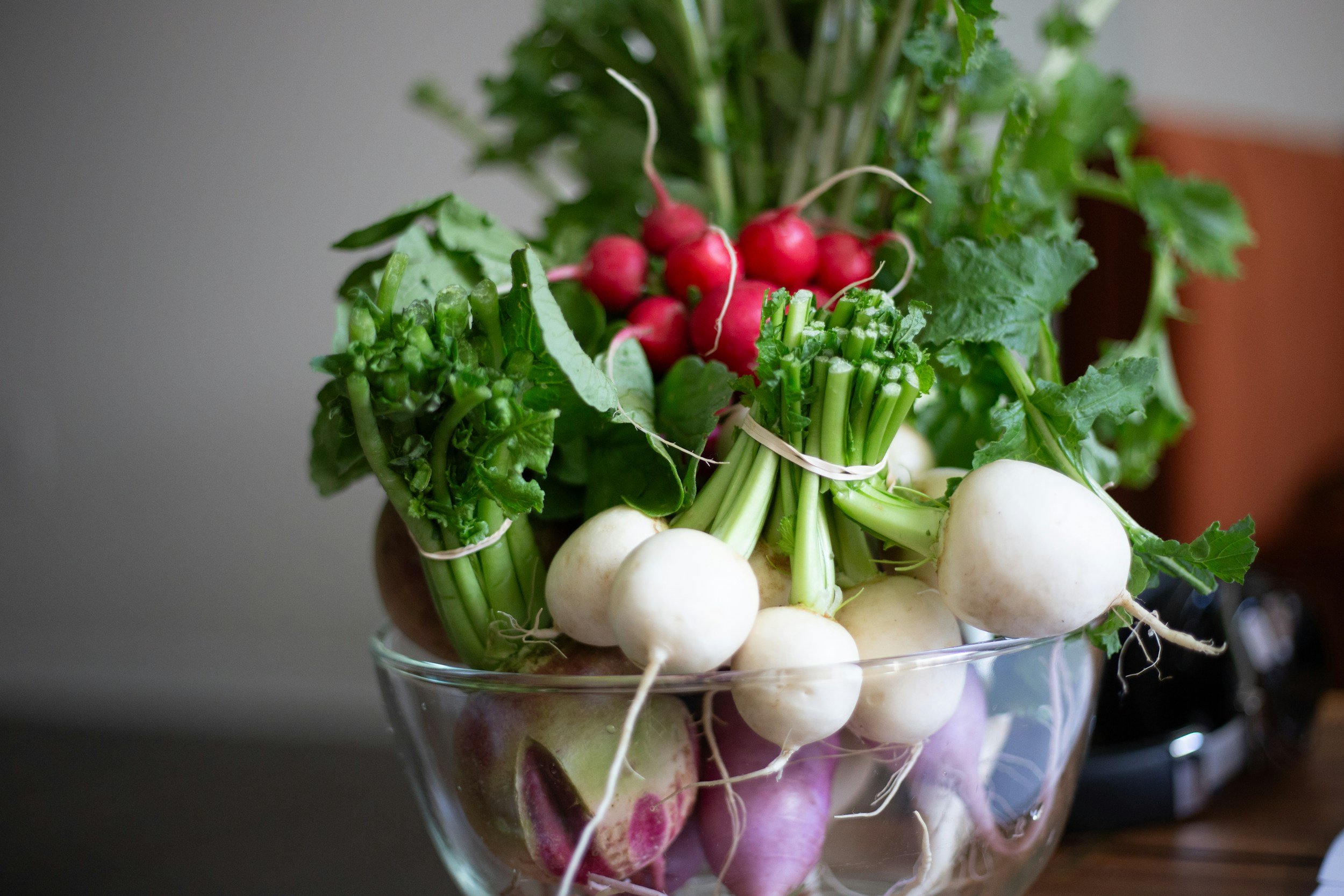
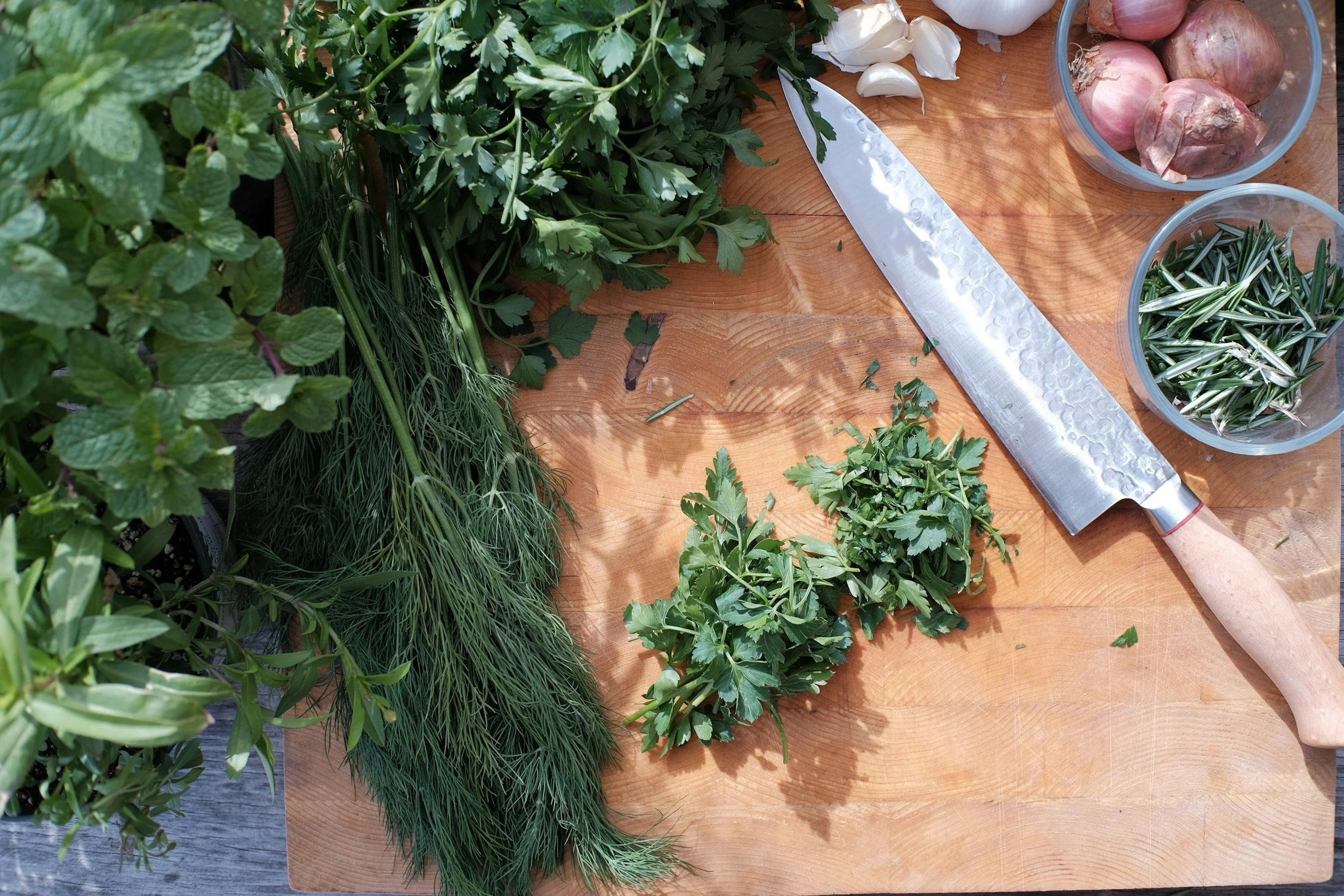
Late Summer & Autumn Growing
Tomato Growing
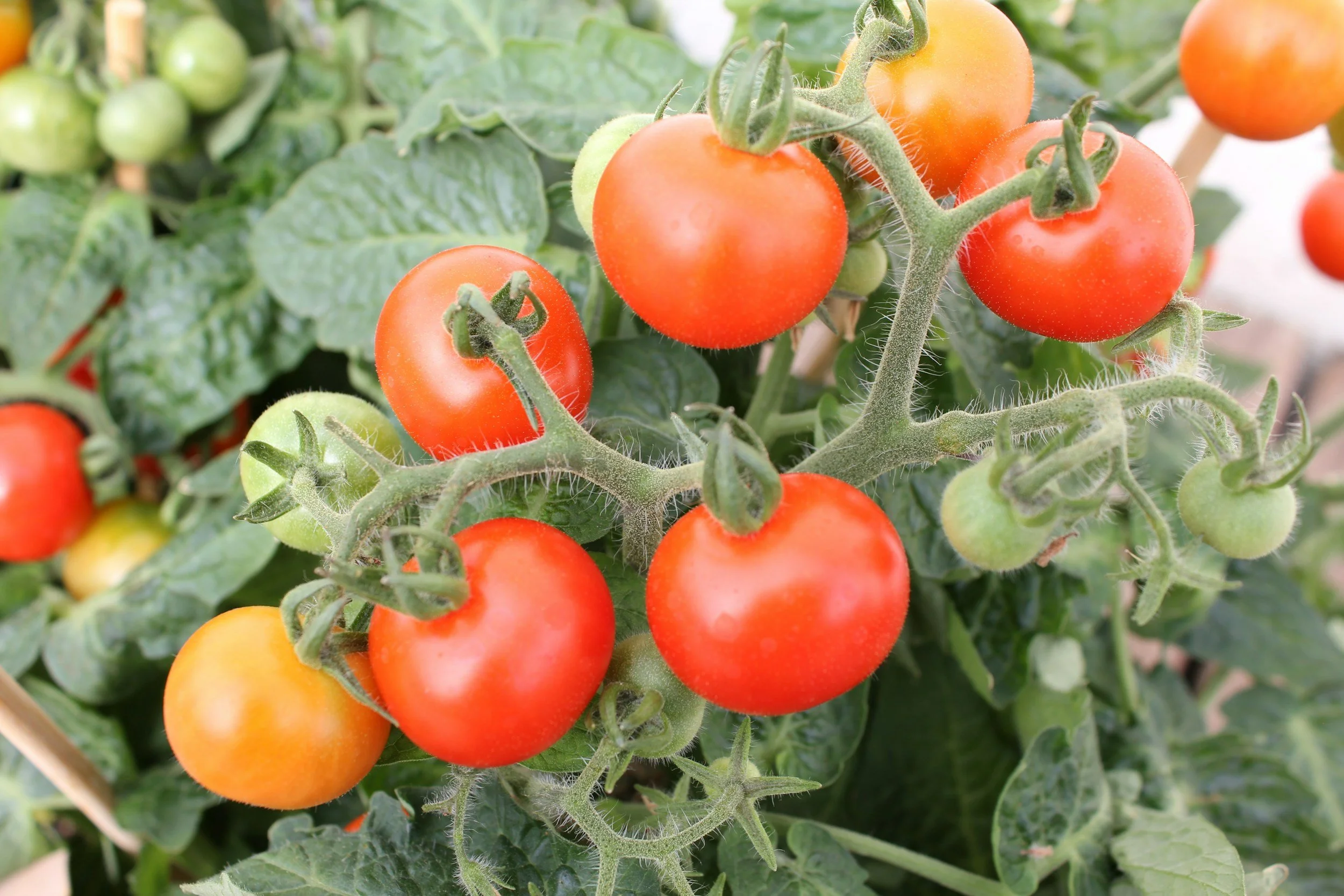
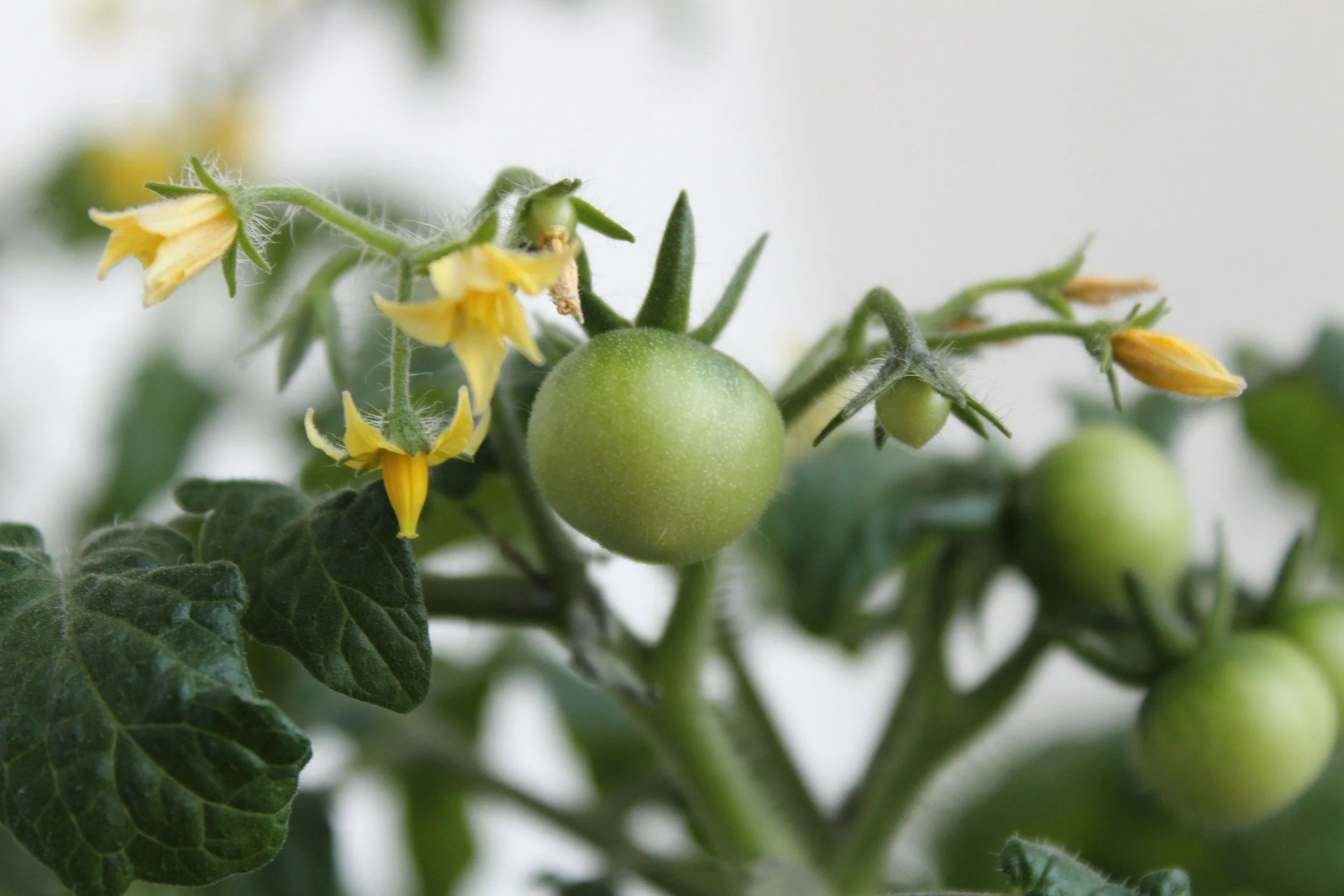
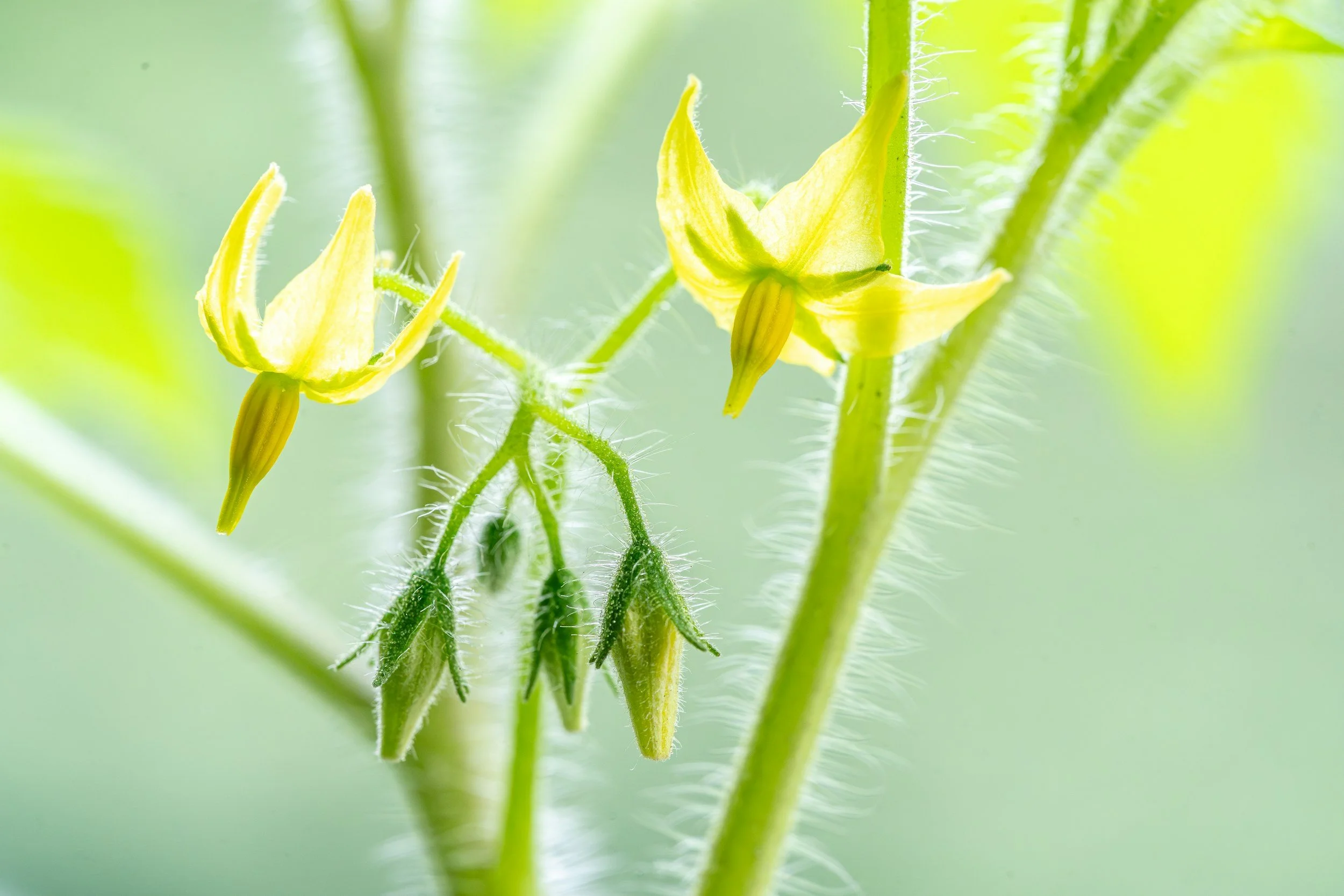
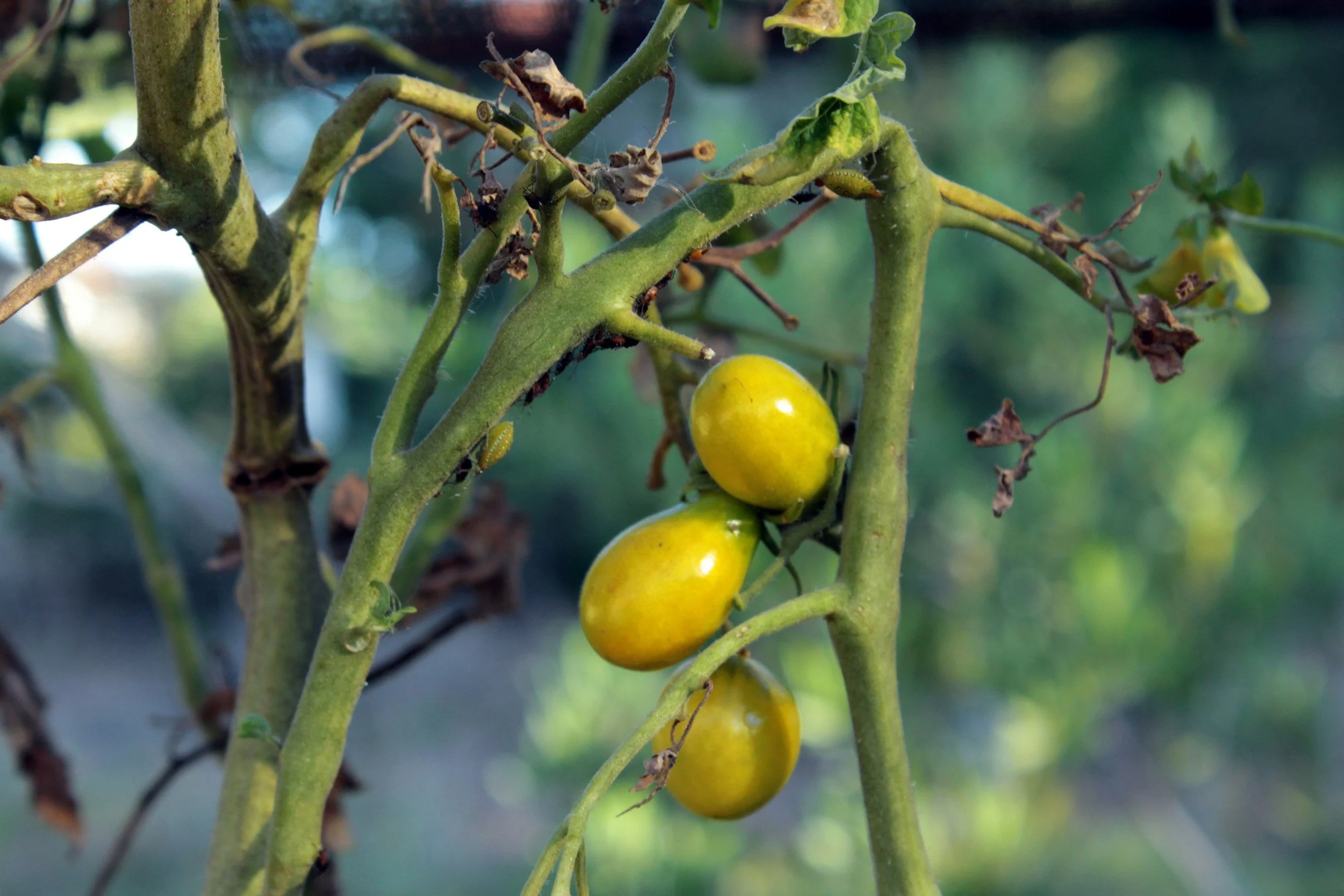
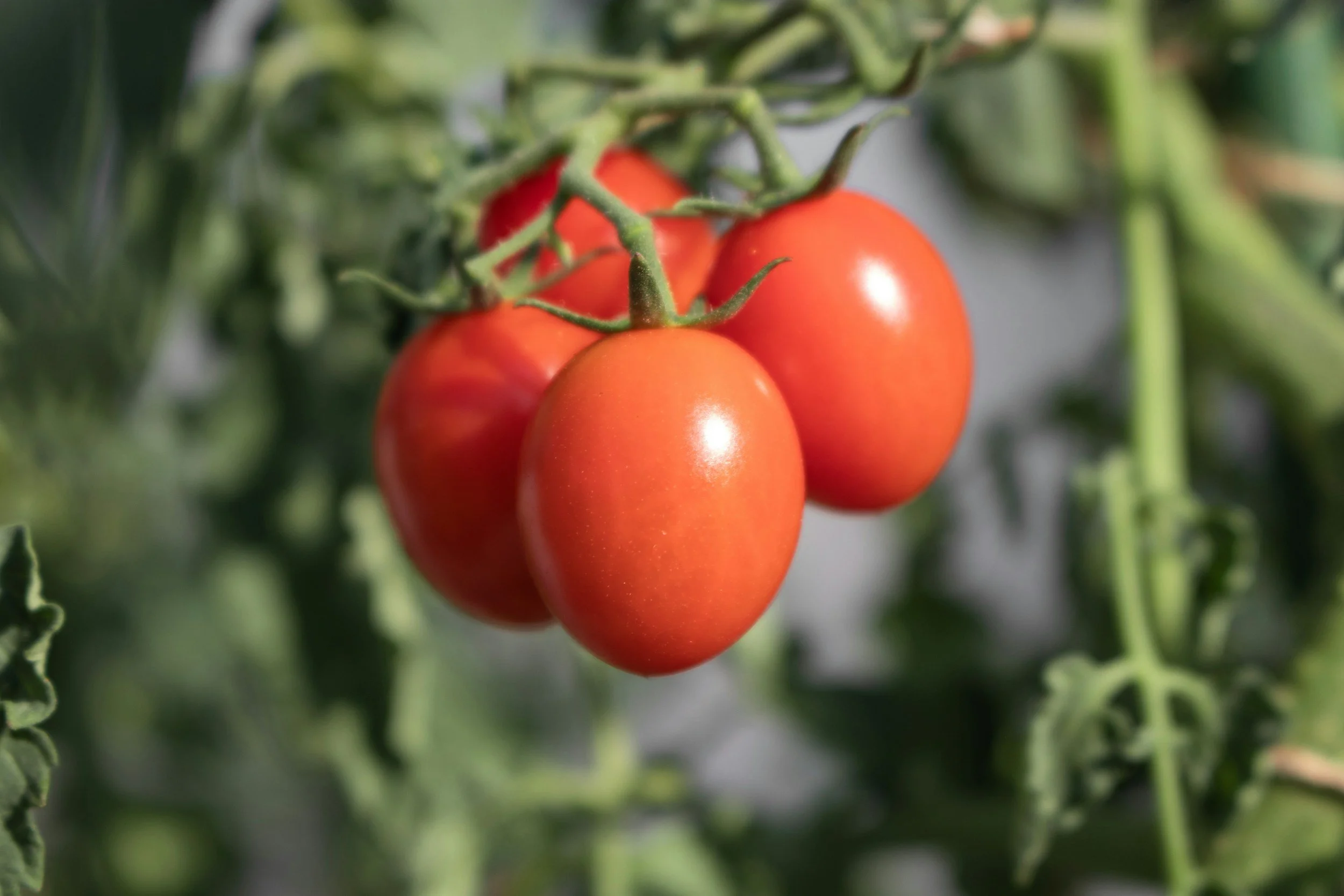
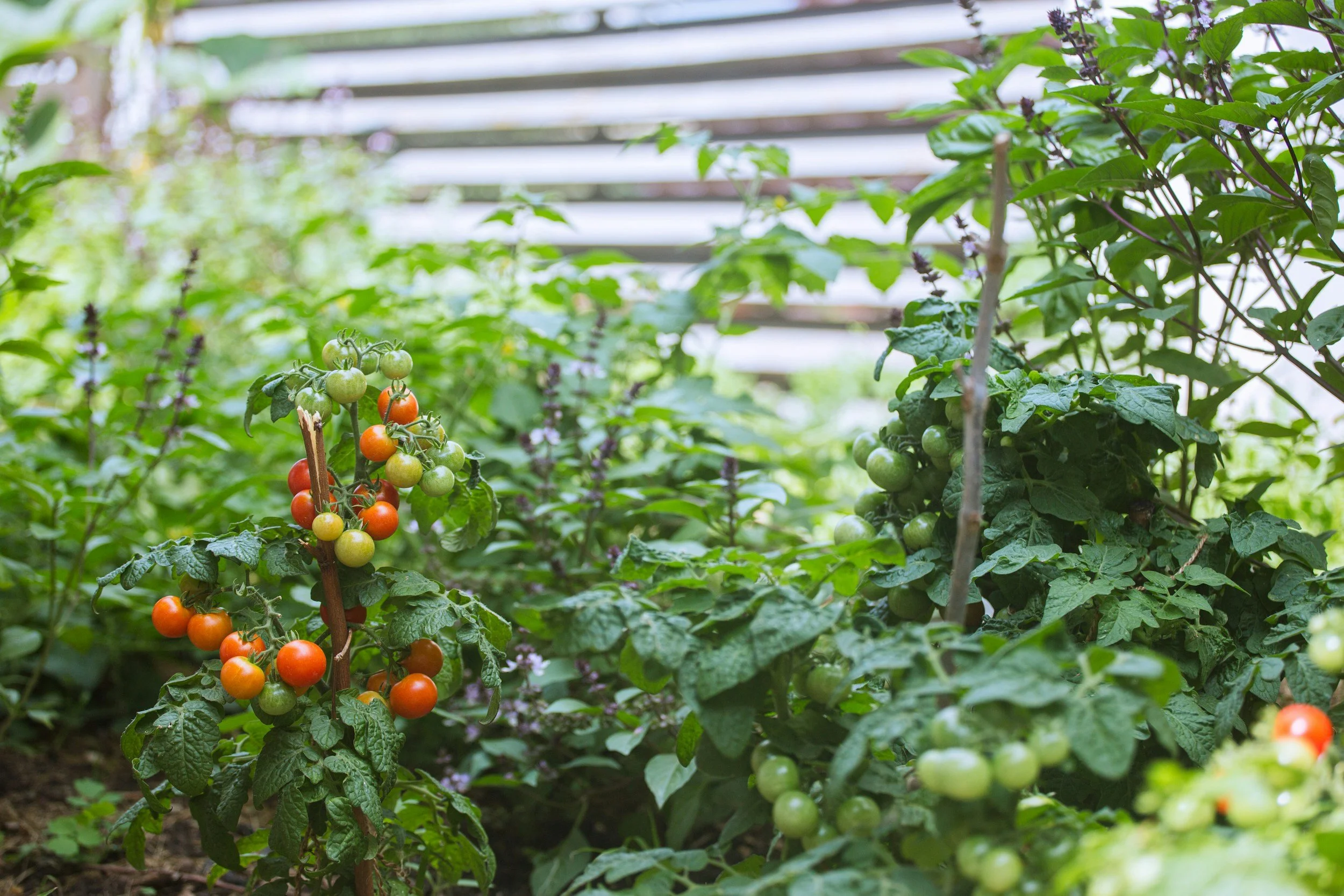
Tomato Flowers but No Fruit: Blossom Drop and Poor Pollination
Tomato plants may flower without producing fruit because of extreme temperatures, poor pollination, humidity, water stress or excessive nitrogen. Learn what causes blossom drop and how to improve fruit set naturally.
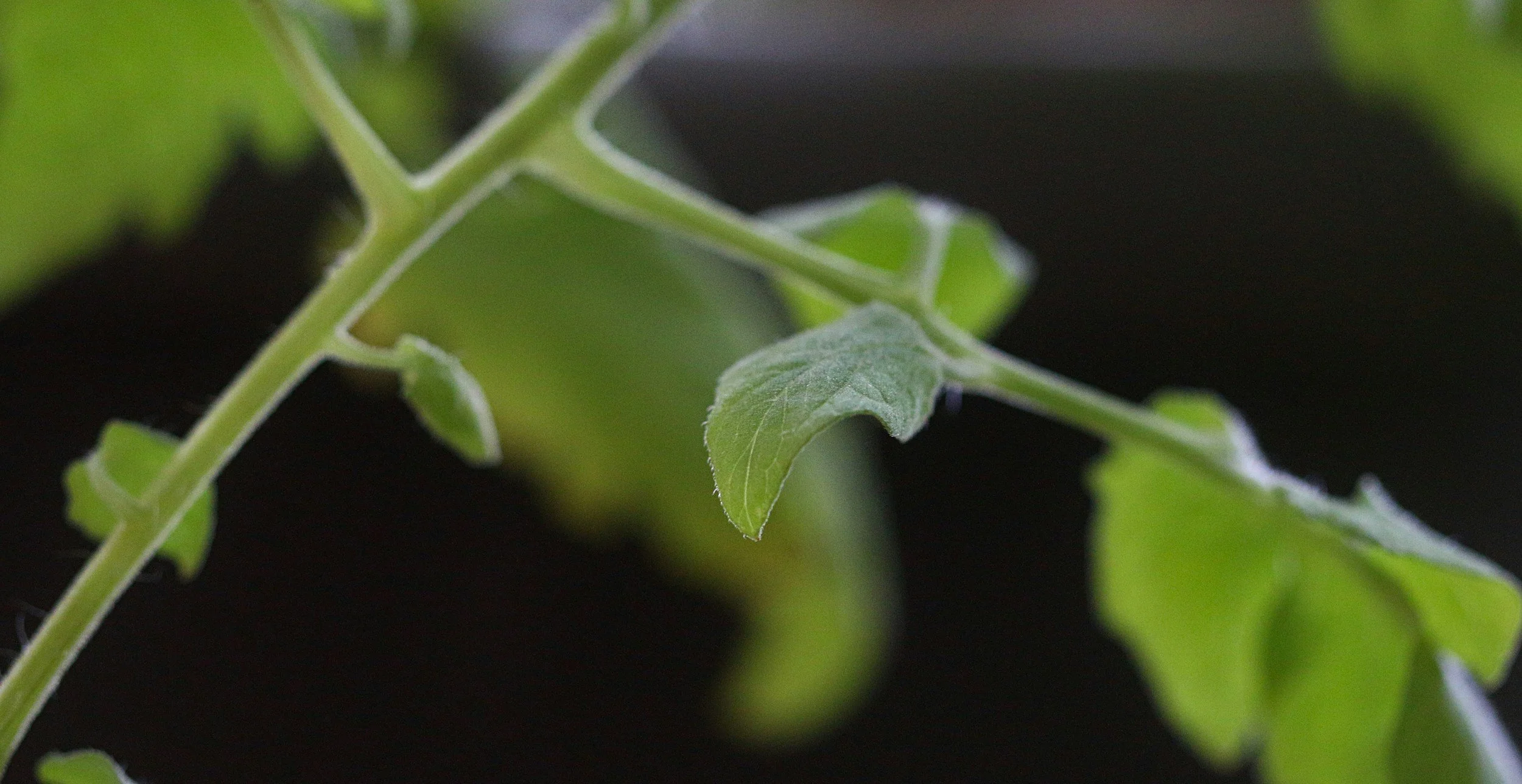
Why Are My Tomato Leaves Curling, Yellowing or Turning Brown?
Tomato leaves can curl, yellow or turn brown because of heat, watering problems, nutrient imbalance, root stress, pests or disease. Learn how to interpret the symptoms and decide whether action is needed.
Blossom End Rot on Tomatoes: Causes, Prevention and What to Do
Blossom end rot causes dark, sunken patches at the base of tomato fruits. Learn why disrupted calcium uptake—often caused by uneven watering—is usually responsible, how to prevent it and what to do when it appears.
What’s Wrong With My Tomato Plant? A Quick Diagnostic Guide.
Use the symptoms on your tomato plant to narrow down the likely cause. This quick diagnostic guide helps distinguish environmental stress, nutrient problems, diseases and pest damage before deciding what action to take.
How to Grow Tomatoes: Complete Guide
Learn how to grow healthy, productive tomato plants from sowing and planting through to watering, feeding, pruning and harvesting. This complete guide covers both determinate and indeterminate tomatoes in gardens, containers and greenhouses.
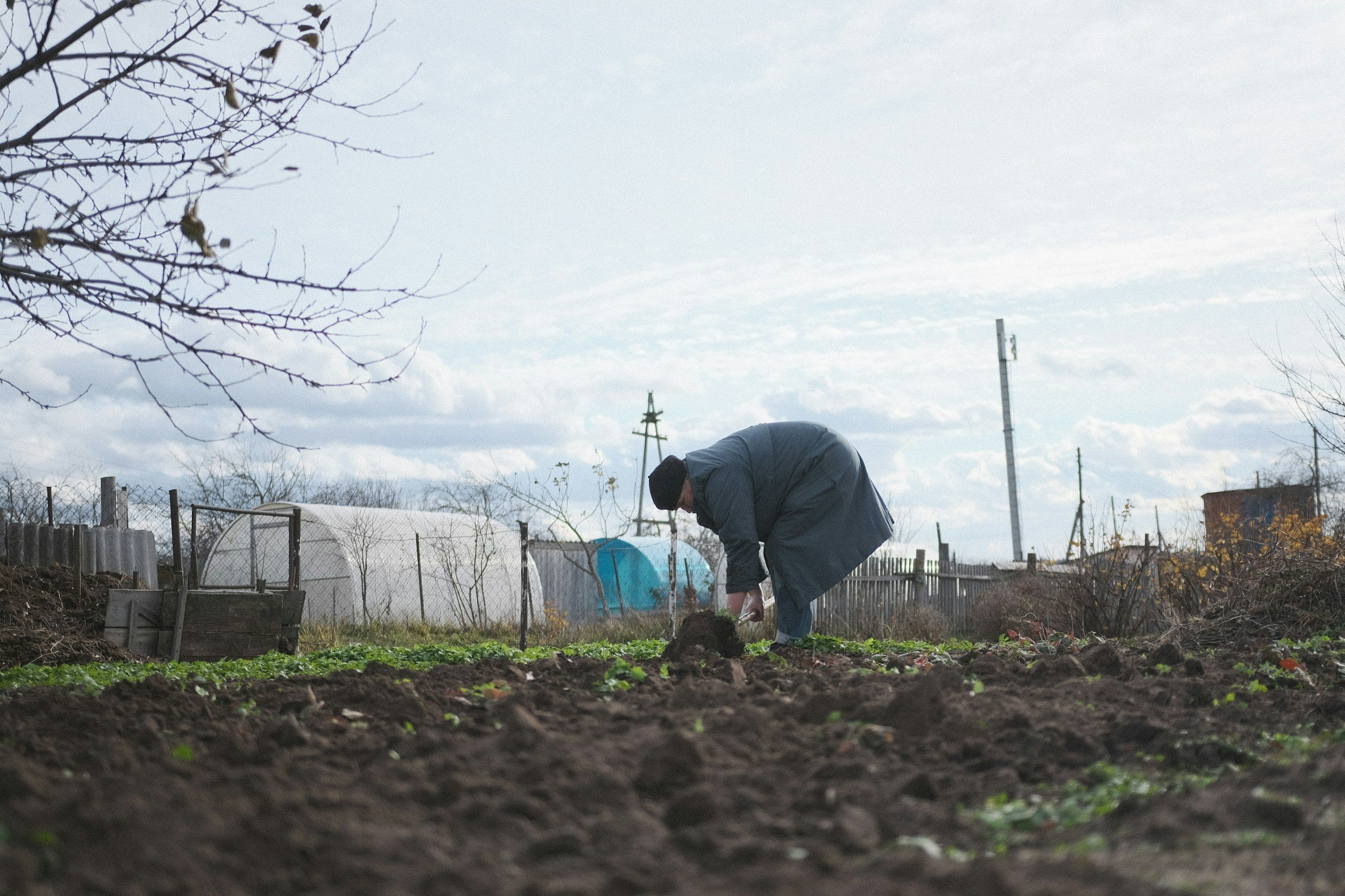
Preparing the Vegetable Garden for Autumn and Winter
Prepare the vegetable garden for autumn and winter by harvesting vulnerable crops, protecting empty beds, managing weeds, improving drainage and recording what worked during the growing season.
Extending the Harvest into Autumn and Winter
Extend vegetable harvests into autumn and winter by choosing cold-tolerant crops and using fleece, cloches, tunnels, cold frames, greenhouses and other practical forms of seasonal protection.
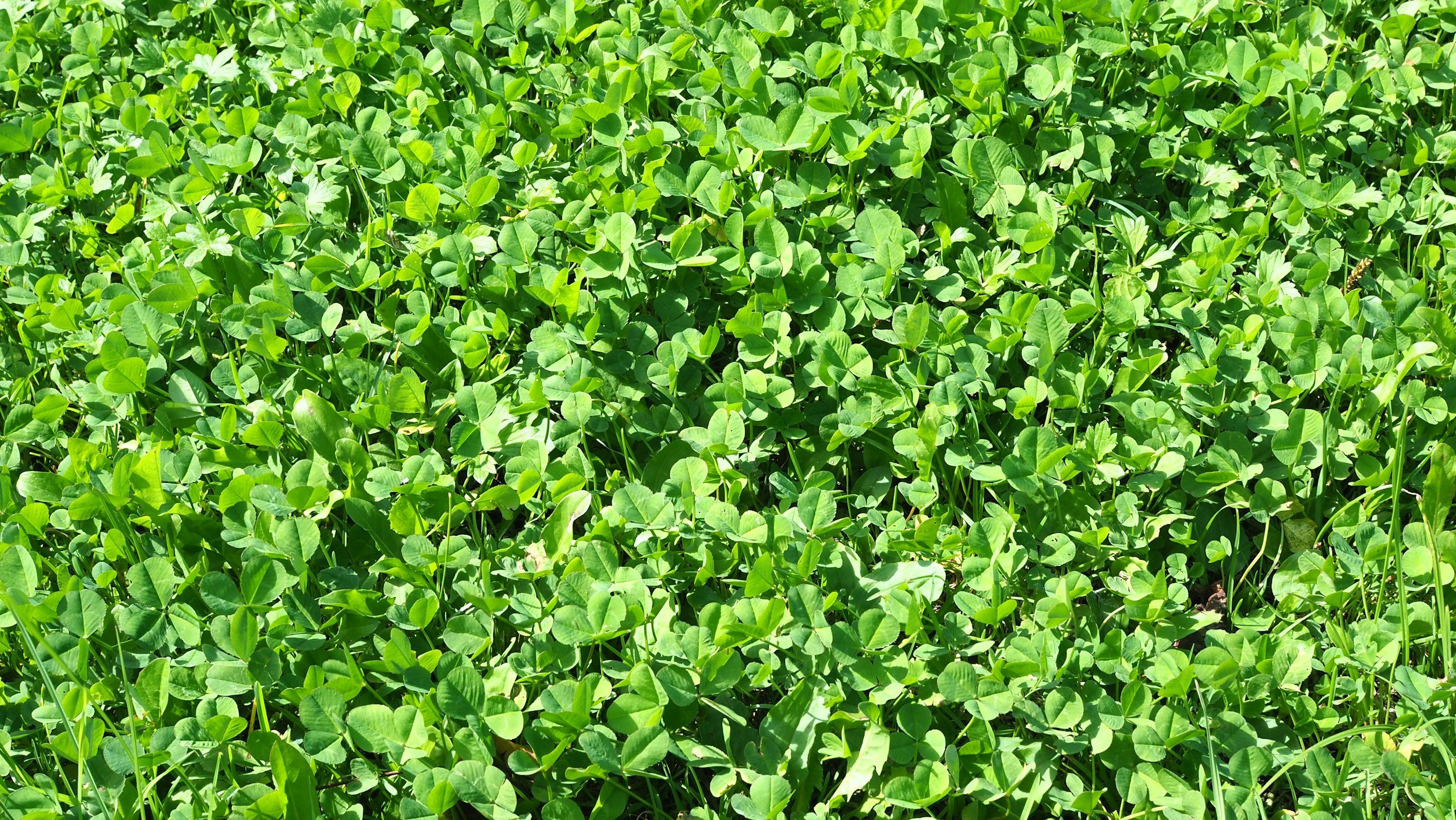
Green Manures and Cover Crops for Autumn and Winter
Learn how to choose a productive follow-on crop after early potatoes, peas, beans, onions, garlic or salads have finished, using the time, soil condition and growing climate available.
What to Do with Empty Vegetable Beds
An empty vegetable bed can produce another crop, support a green manure or enter a planned resting period. Learn how to protect and improve unused ground throughout autumn and winter.
What to Grow After an Early Crop Has Finished
Learn how to choose a productive follow-on crop after early potatoes, peas, beans, onions, garlic or salads have finished, using the time, soil condition and growing climate available.
What to Sow in Late Summer for an Autumn Harvest
Discover which vegetables can be sown in late summer for an autumn harvest, including fast-growing salads, roots and hardy leafy crops, with guidance based on first-frost dates and local growing conditions.
Late Summer & Autumn Growing
Late summer is the beginning of a second productive growing period. Discover what to sow, how to reuse harvested spaces, protect empty beds, extend the harvest and prepare the vegetable garden for autumn and winter.
Reducing Food Waste in the Kitchen
Practical ways to reduce kitchen waste through better harvesting, storage, meal planning, freezing, using edible trimmings, sharing surplus and composting.
Making Vegetable Stocks and Soup Bases
Turn suitable garden vegetables, herbs and clean trimmings into balanced stocks, concentrated soup bases and convenient freezer ingredients.
Cooking with Fresh Herbs
Learn how to harvest, prepare and cook with fresh herbs, when to add different varieties and how to freeze or dry surplus herbs safely.
Seasonal Chutneys, Relishes and Pickles
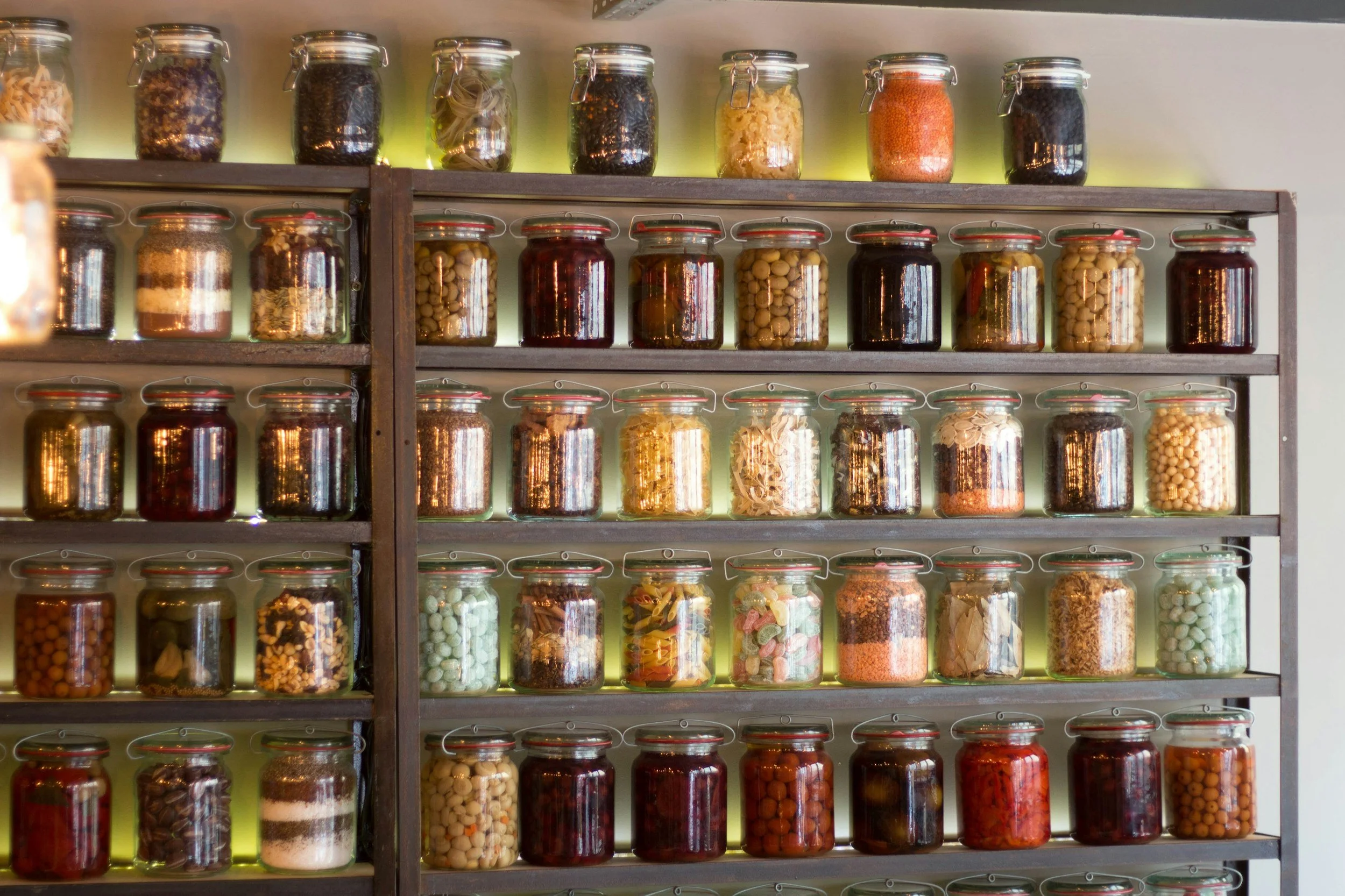
Understand the differences between chutneys, relishes and pickles, choose seasonal ingredients and follow safe methods for refrigerated and shelf-stable preserves.
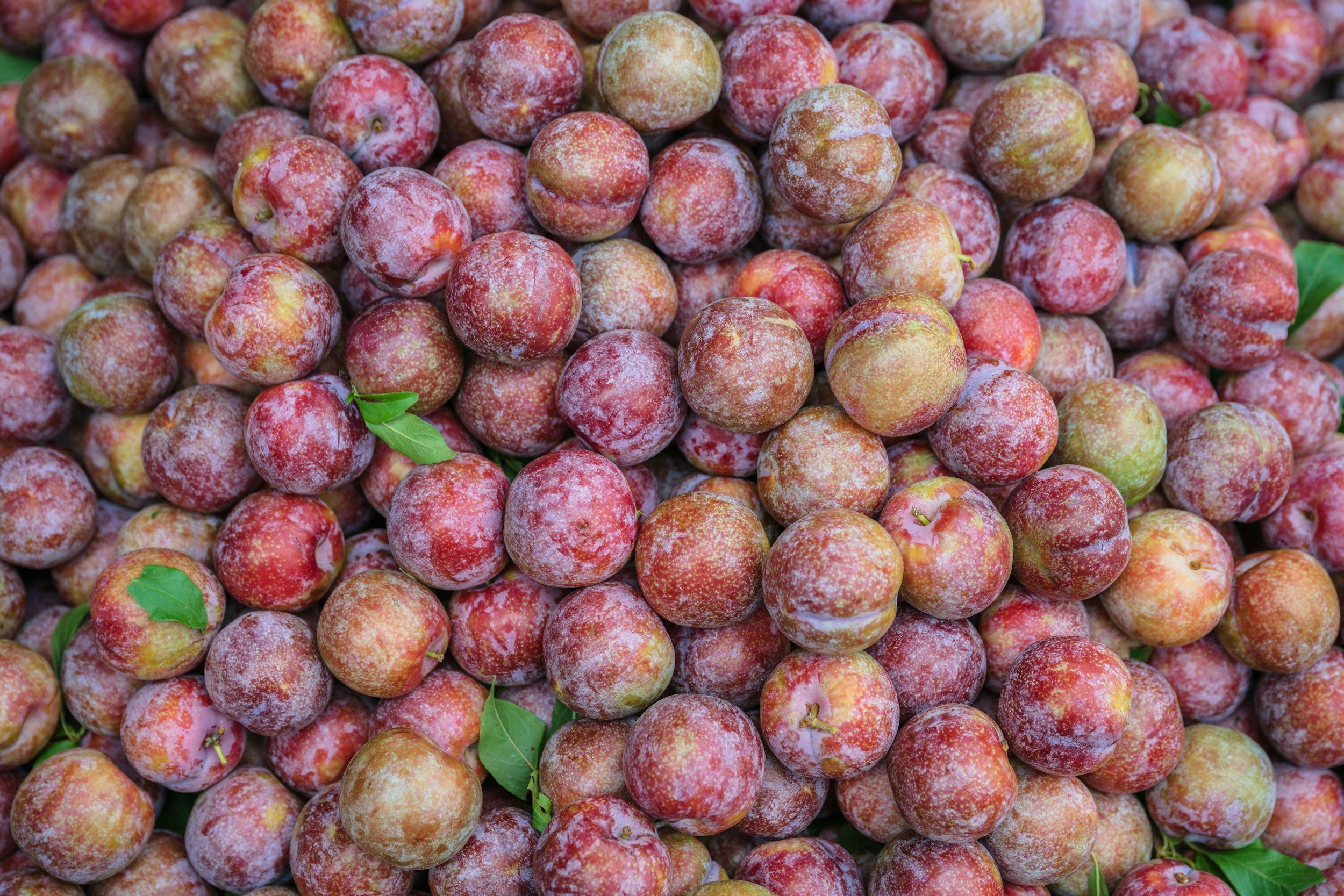
Traditional Plum Preserves and Hungarian Plum Jam
Explore practical ways to preserve a plum harvest, including freezing, drying and the traditional Hungarian method of slowly cooking plums without added sugar.
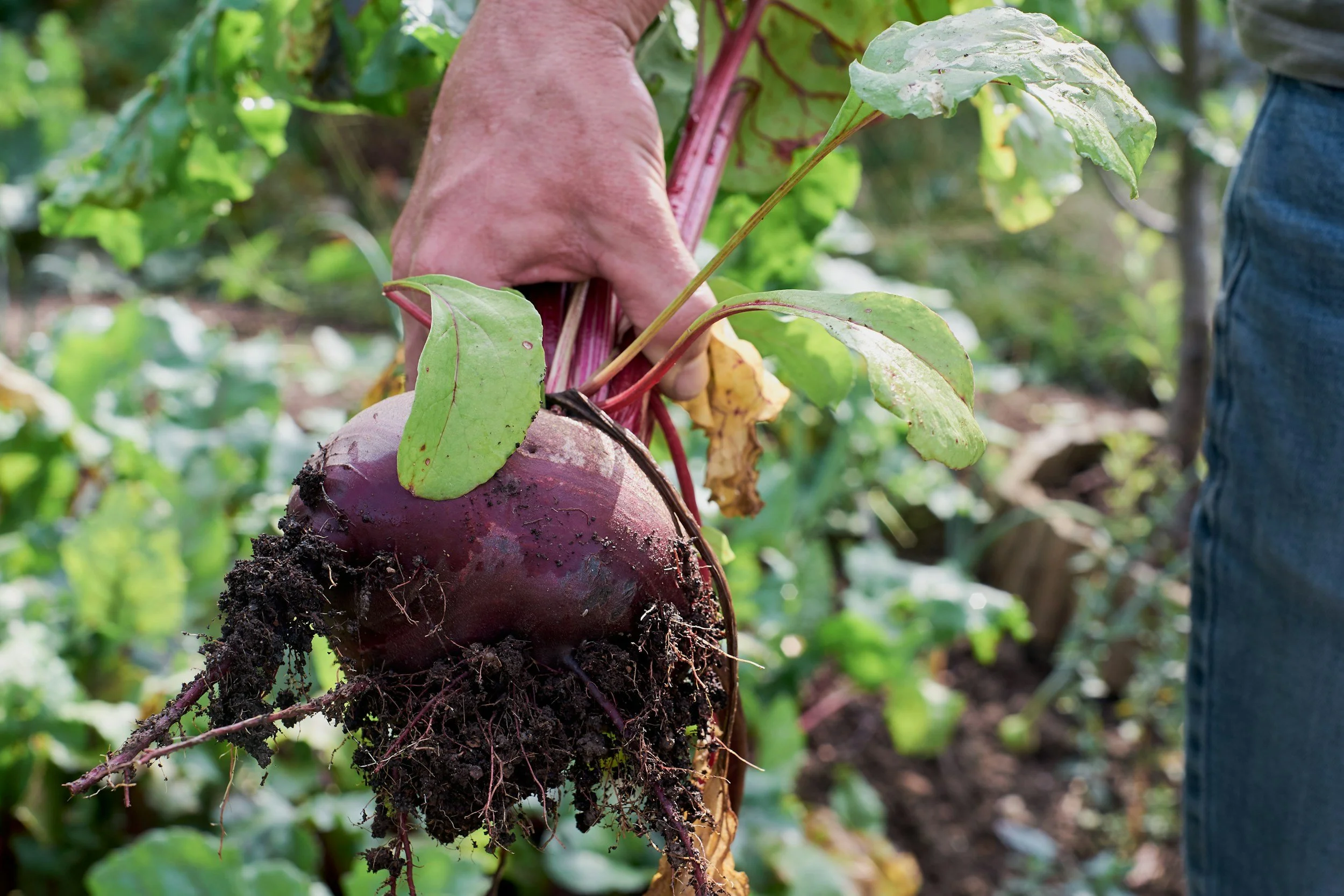
Making the Most of Beetroot.
Discover how to use beetroot roots, leaves and stems in fresh dishes, soups, baking and preserves, with practical freezing and pickling guidance.
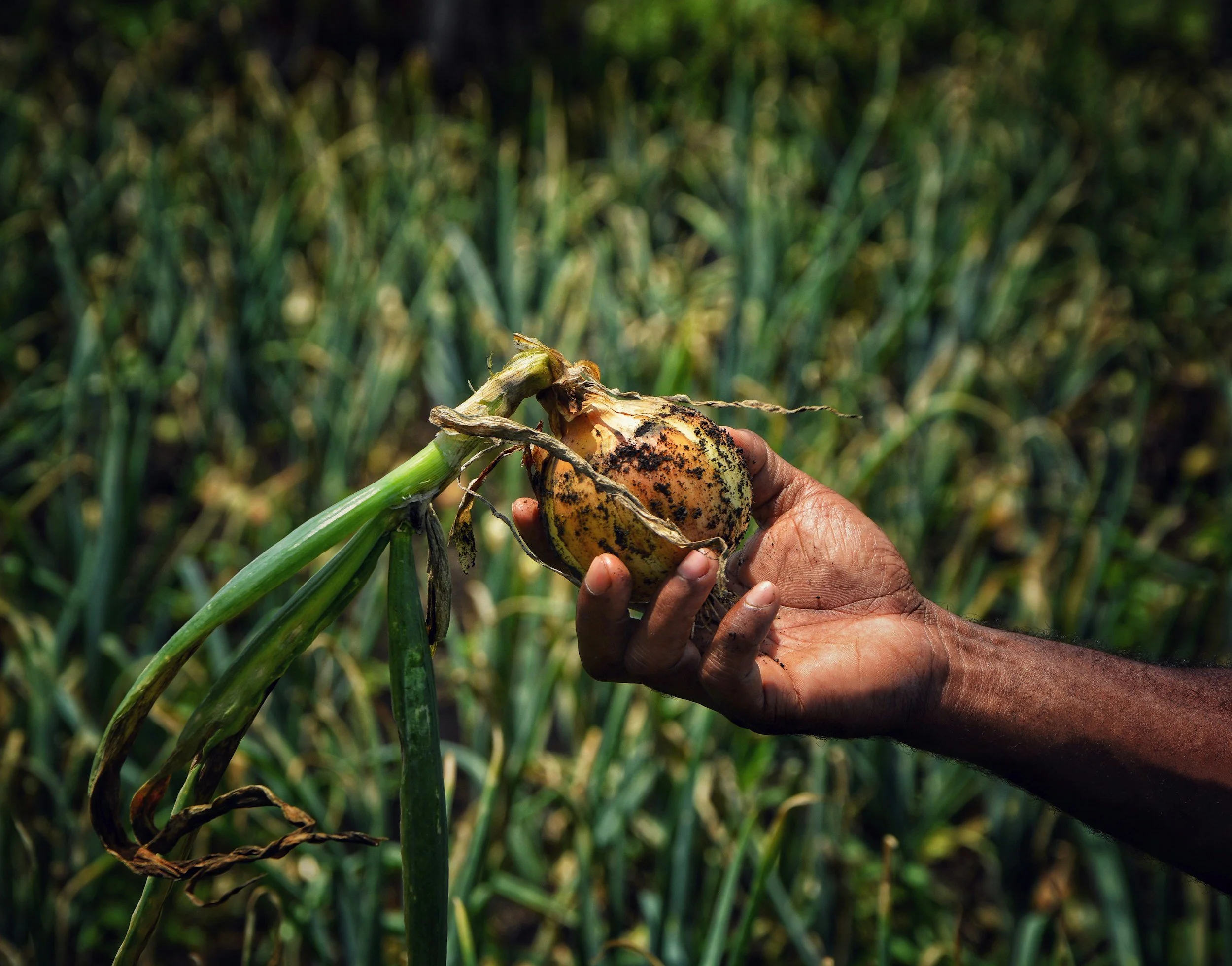
Preserving an Onion and Garlic Harvest.
Learn how to cure, store, freeze and dry home-grown onions and garlic, with important safety guidance for preserving garlic in oil.
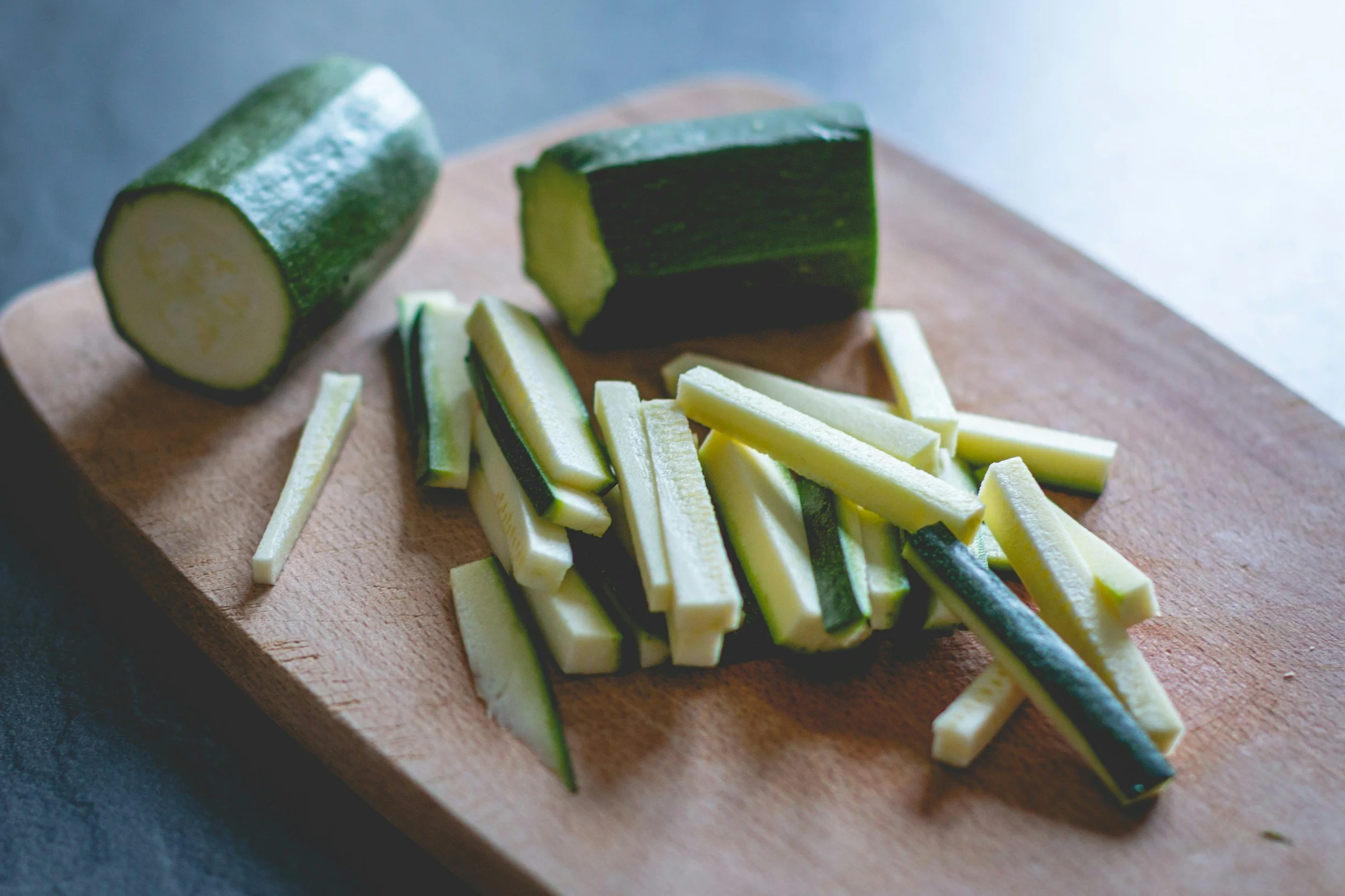
Too Many Courgettes?
Practical ways to use a courgette glut, including roasting, soups, fritters, baking, freezing, chutney and homemade lemon courgette jam.