Practical organic growing guides
Clear, experience-led advice to help you build healthier soil, grow resilient crops and make confident decisions in changing conditions—without unnecessary complication.
Compost & Soil Health
Practical guides to making compost, improving your soil naturally and creating the healthy, living conditions your plants need to thrive.
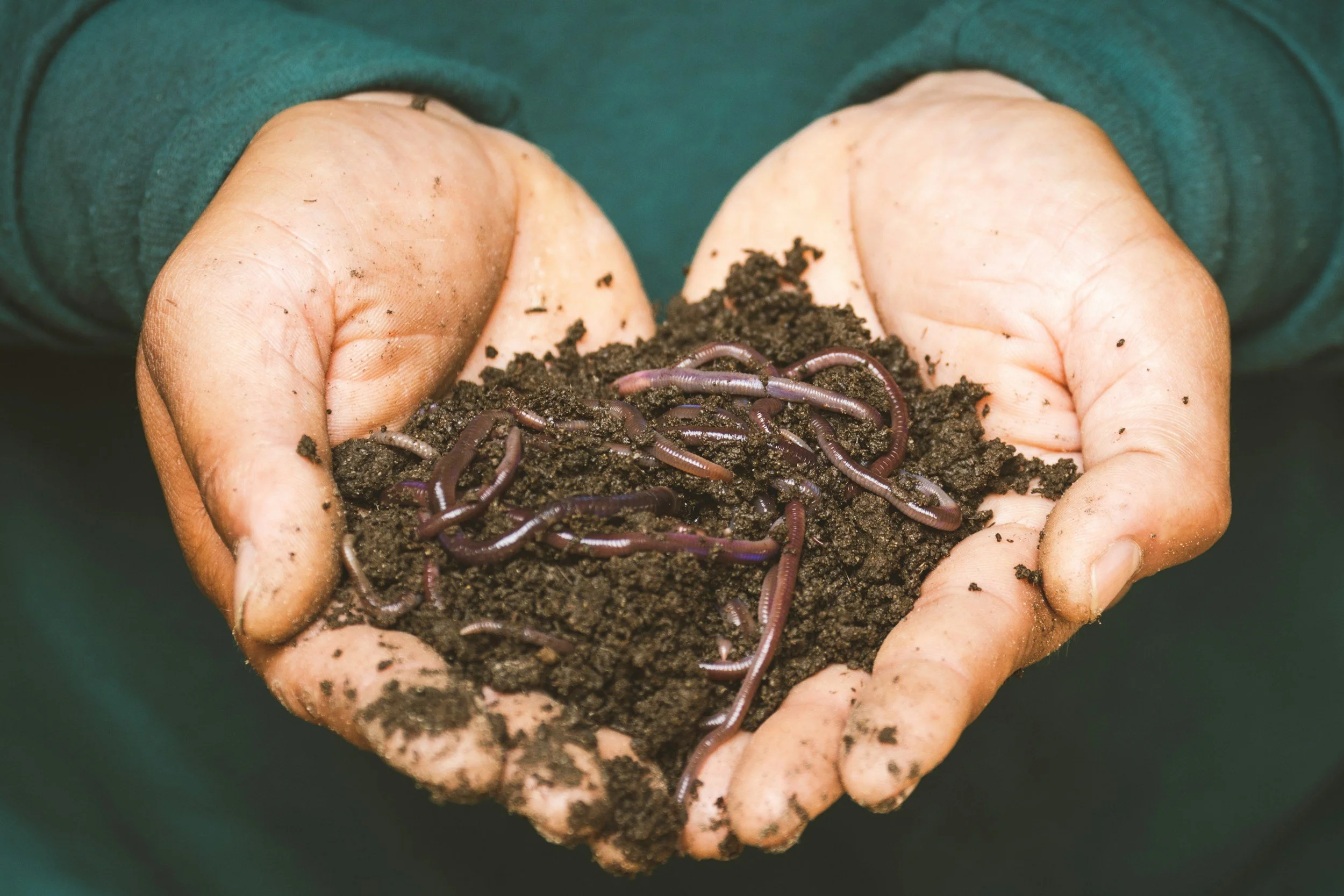
Diagnose and fix common composting problems, including unpleasant smells, excess moisture, slow decomposition, flies, rodents, weeds and dry compost.
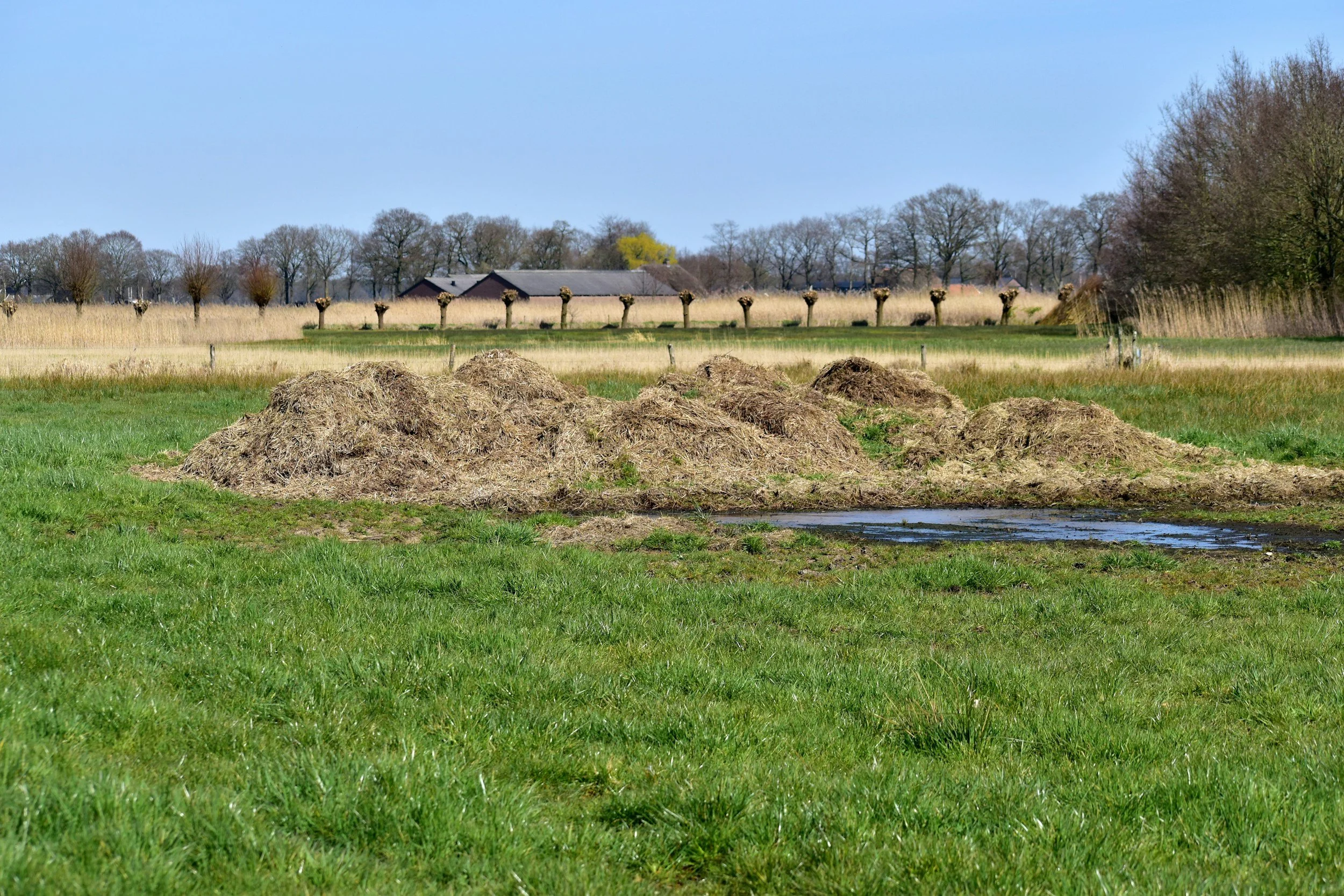
Learn which animal manures are suitable for gardens, why they should usually be composted and how to avoid pathogens, herbicide contamination and overapplication
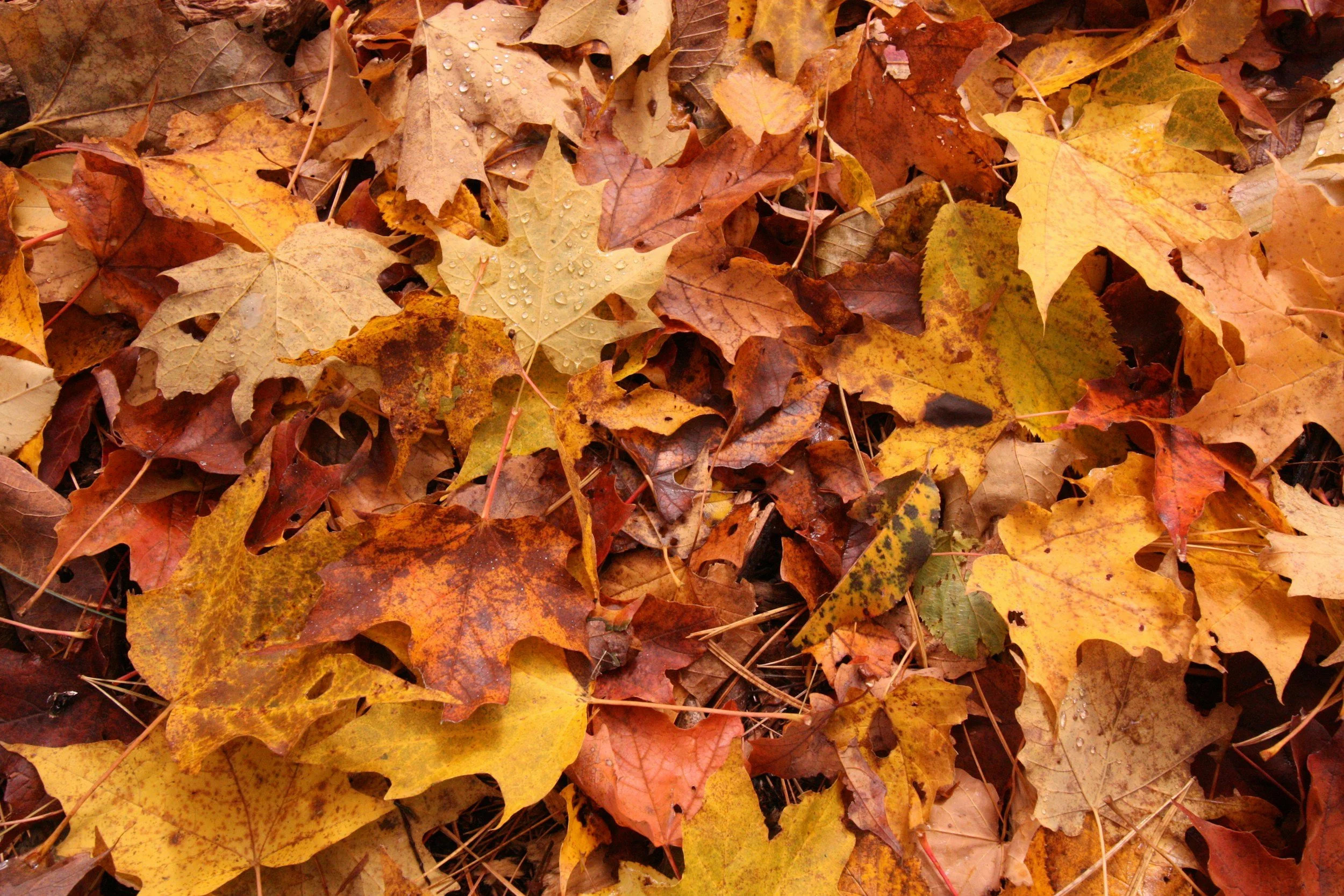
Turn fallen autumn leaves into a valuable mulch and soil conditioner. Learn how to make, store and use leaf mould throughout the garden.
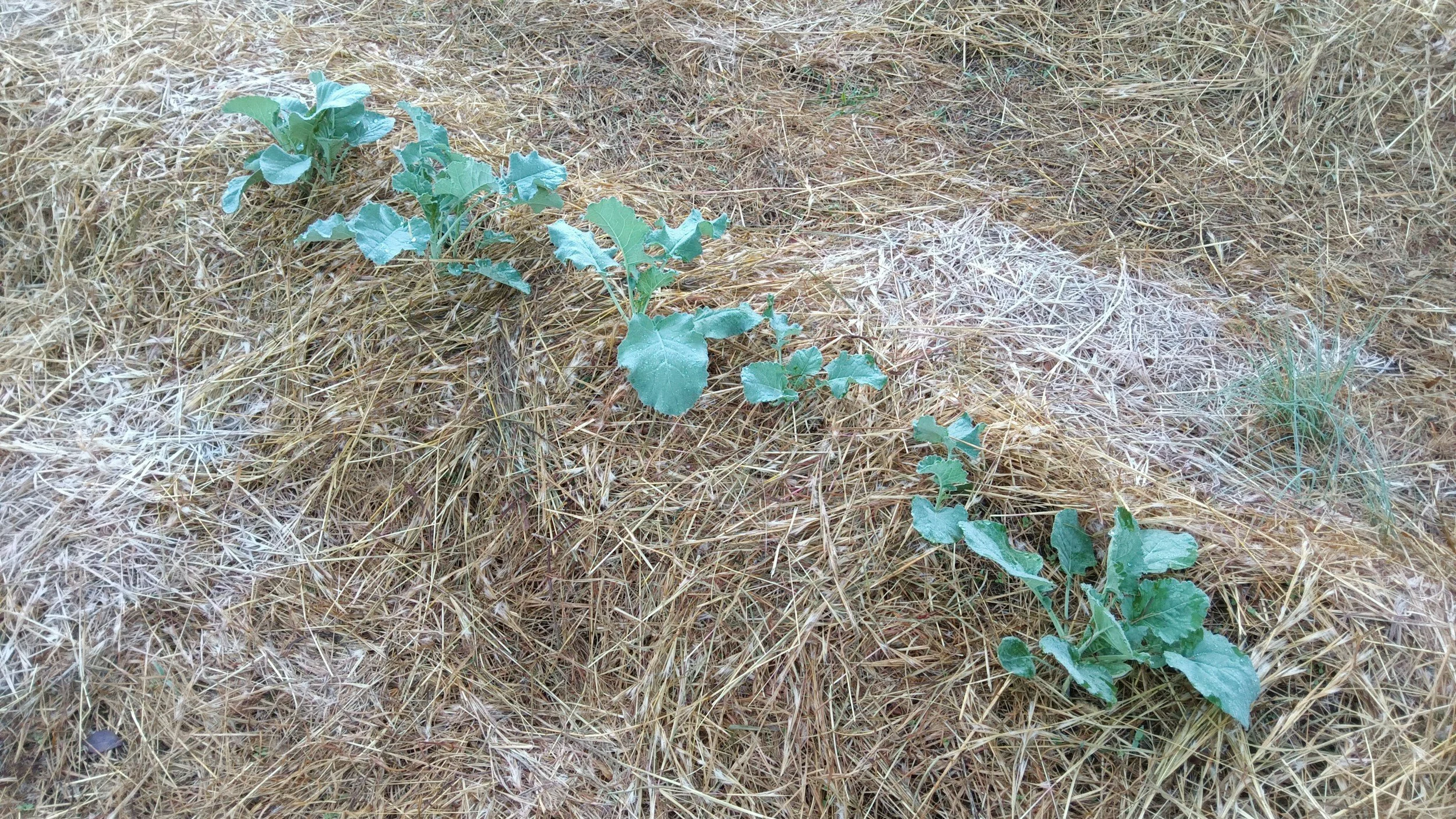
Learn how to mulch garden soil using compost, leaves, grass, straw, wood chips and the chop-and-drop technique to conserve water and support healthier soil.
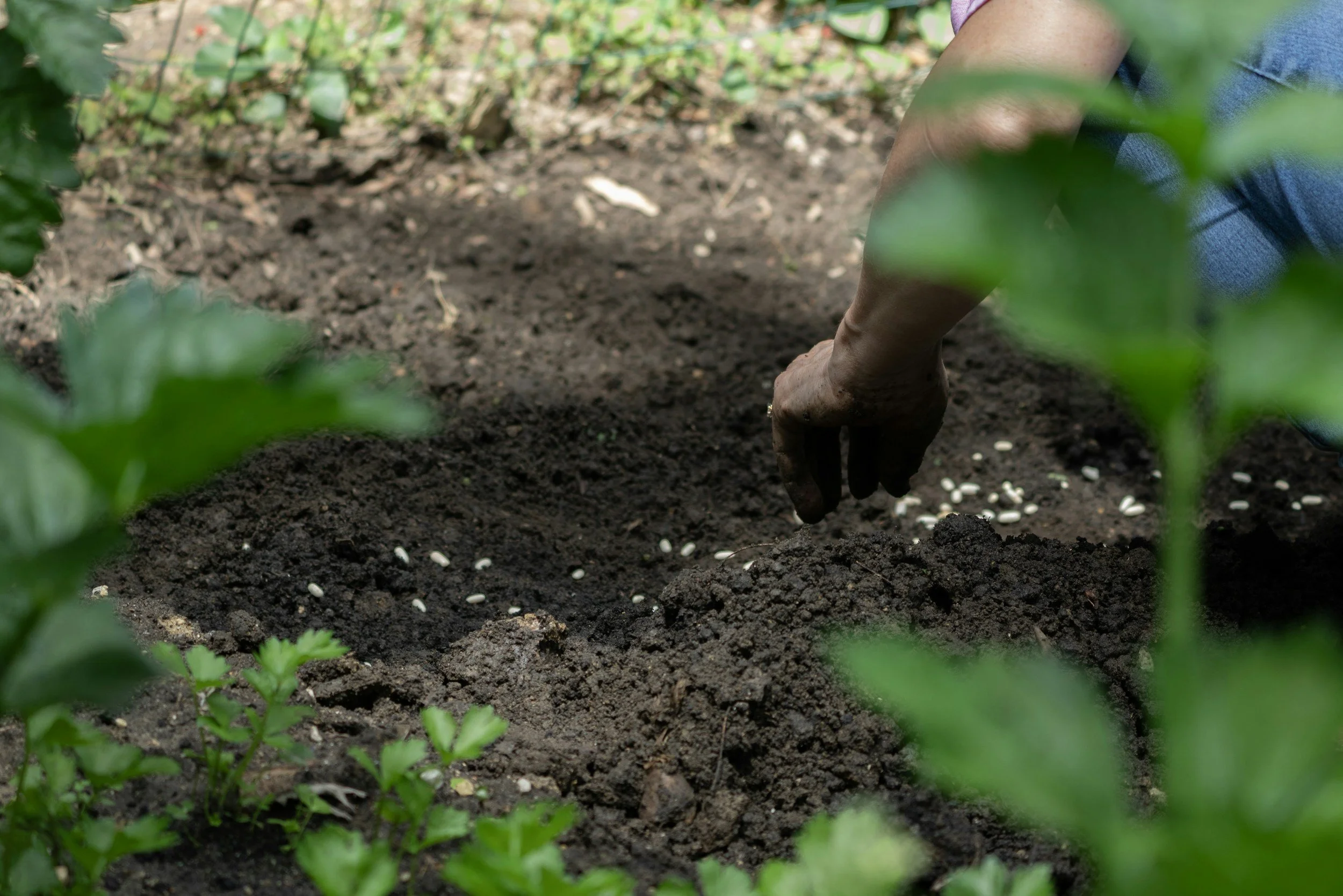
Improve your garden soil naturally by adding organic matter, protecting the surface, reducing disturbance and supporting the organisms that keep soil healthy.
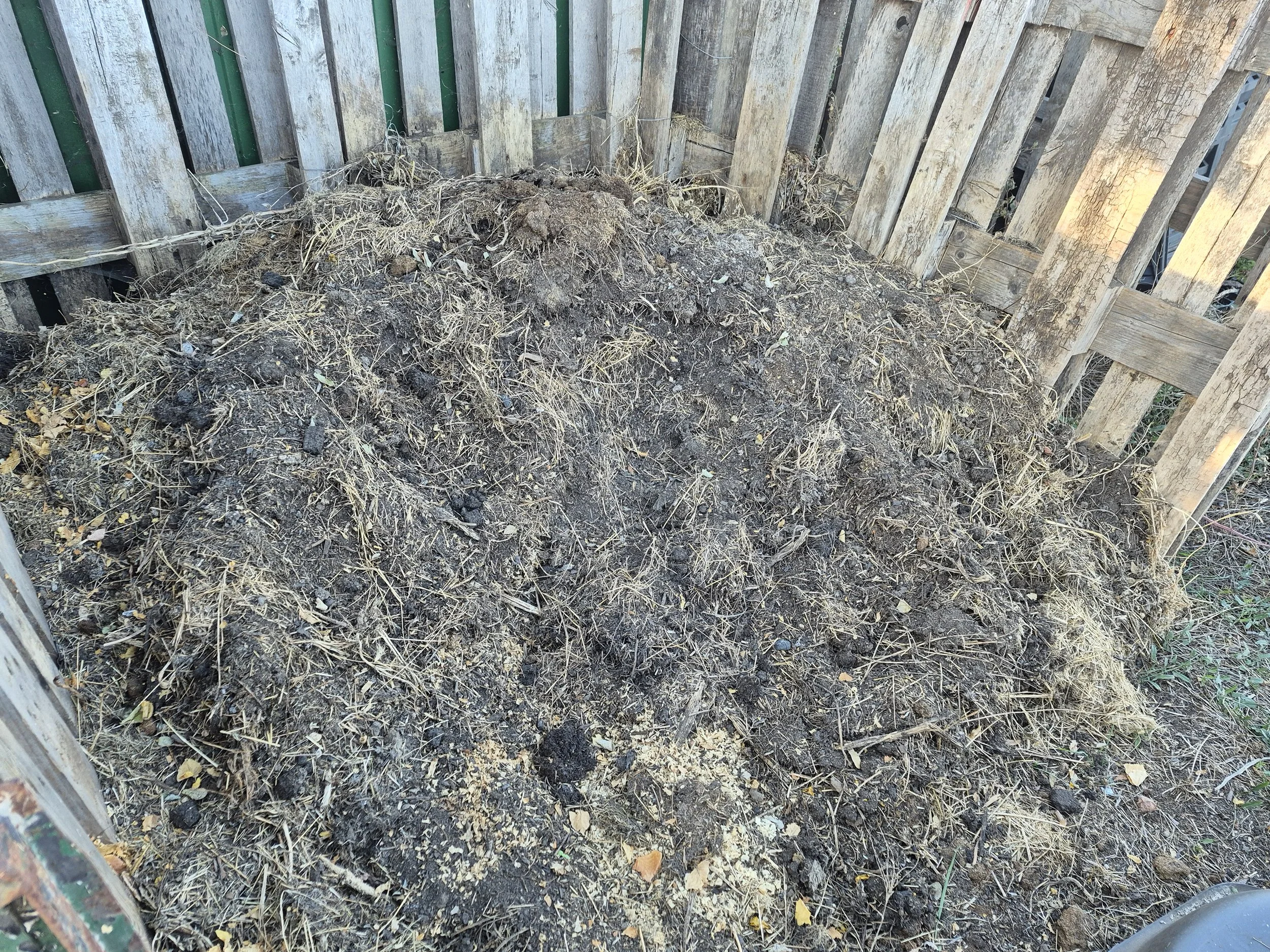
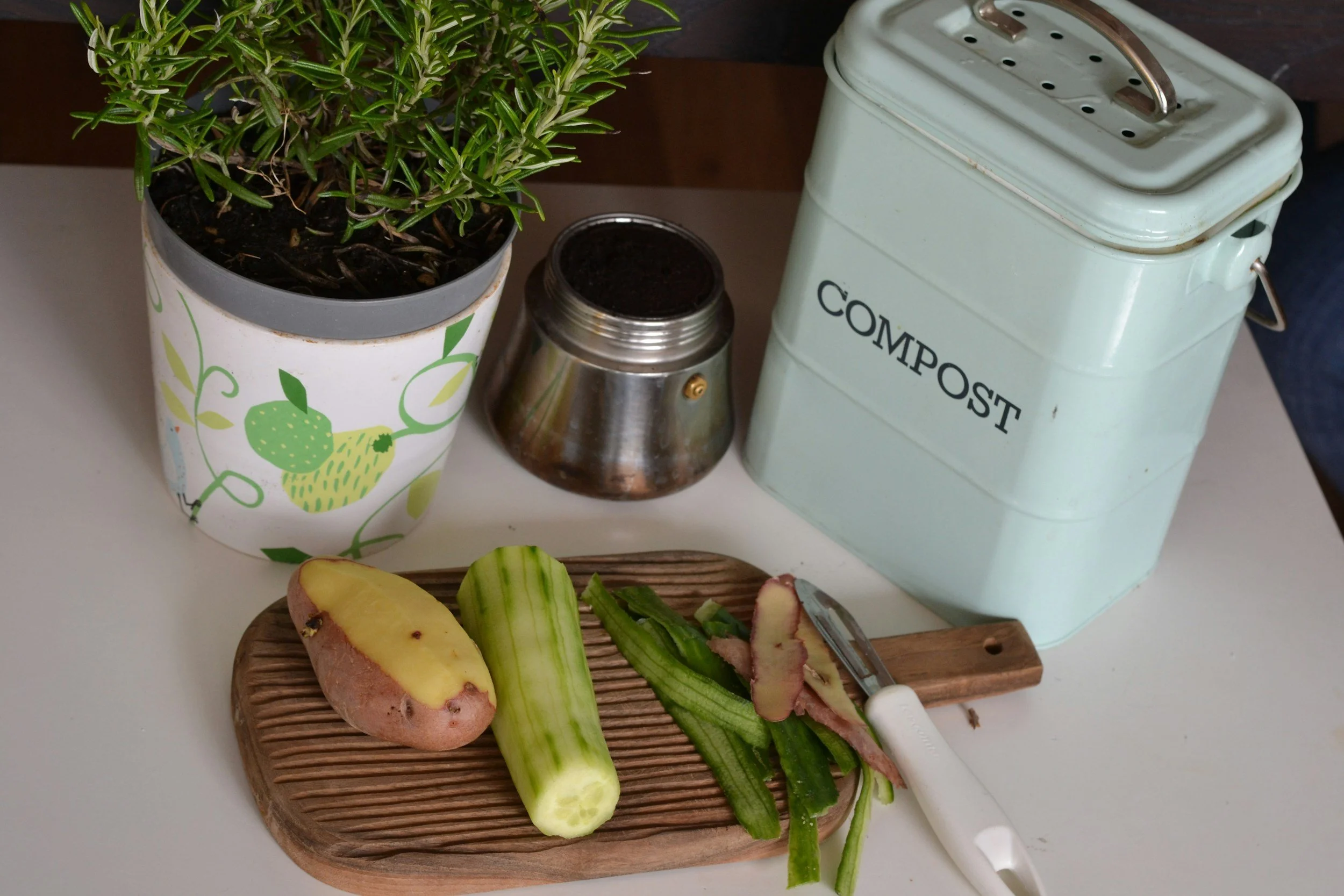
Learn how to make rich, healthy compost at home using garden waste, kitchen scraps and simple materials. This practical guide explains what to add, what to avoid and how to use the finished compost.
Sowing & Seed Starting
Learn when and how to sow seeds successfully, whether you are starting them indoors, under cover or directly in the garden. These practical, location-aware guides will help you raise strong seedlings and adapt your timing to your own climate and conditions.
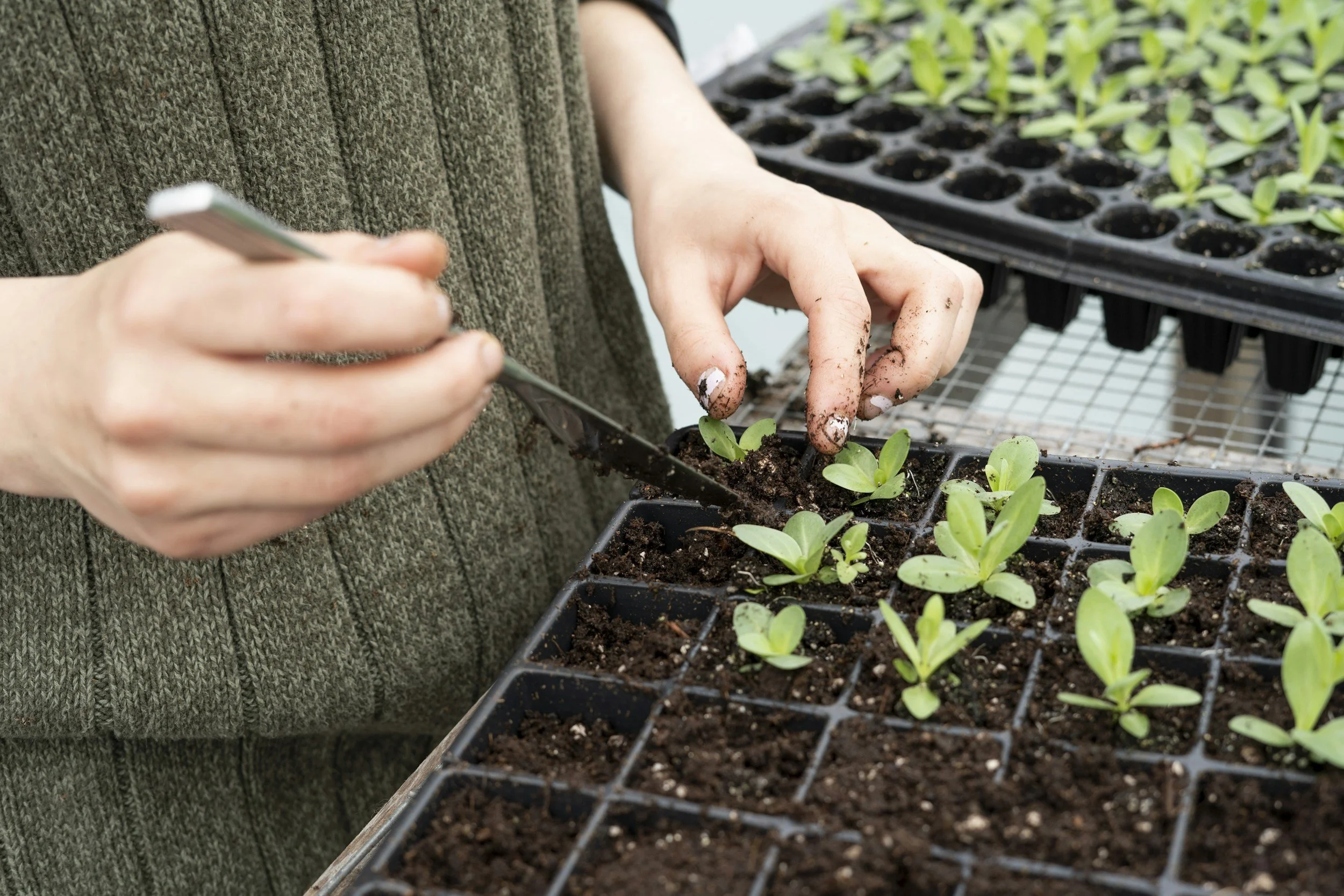
Learn when and how to prick out, pot on and harden off seedlings so they develop strong roots and adjust safely to outdoor growing conditions.
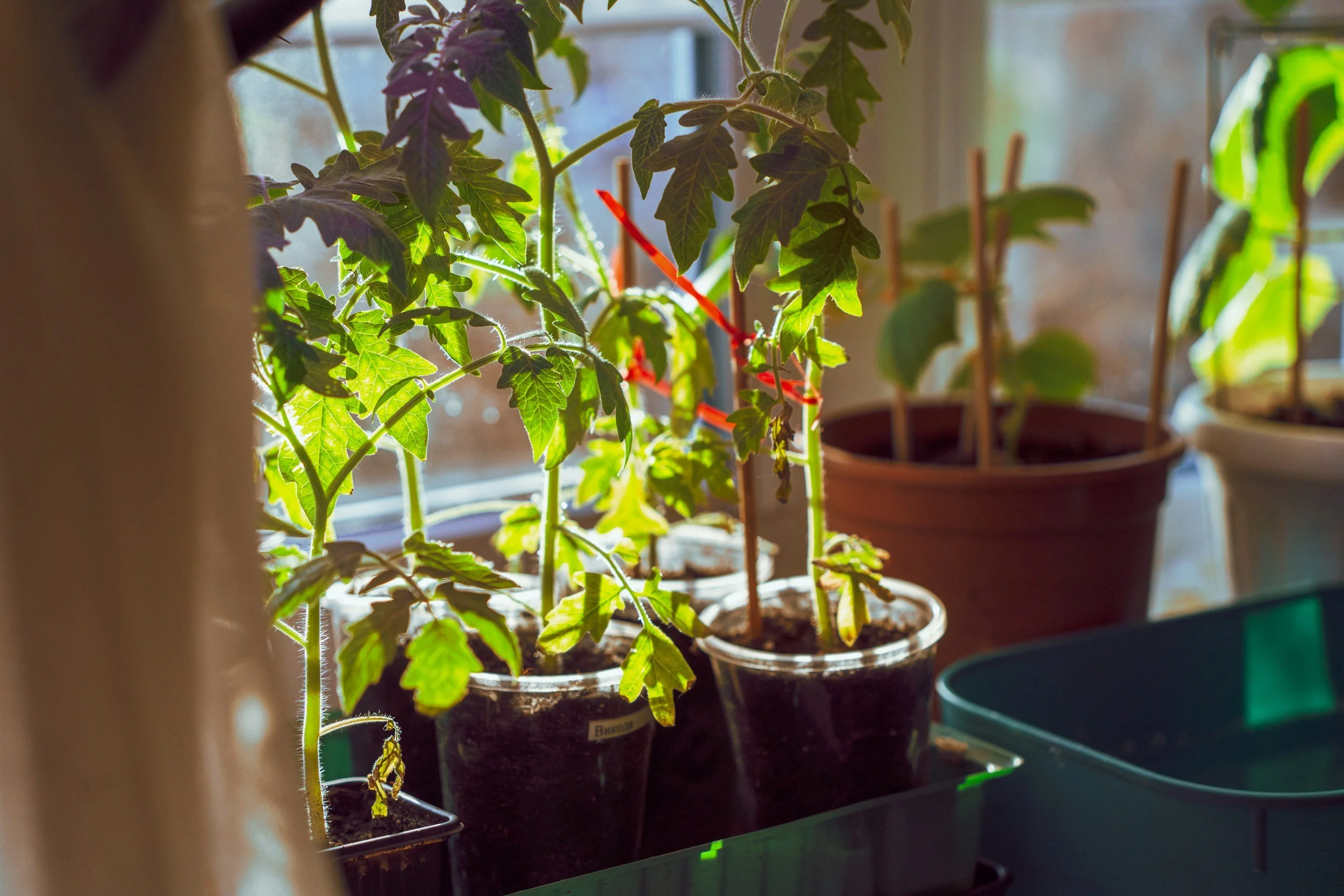
Learn how to balance light, warmth, watering and airflow to raise strong seedlings while preventing legginess, overwatering and damping off.
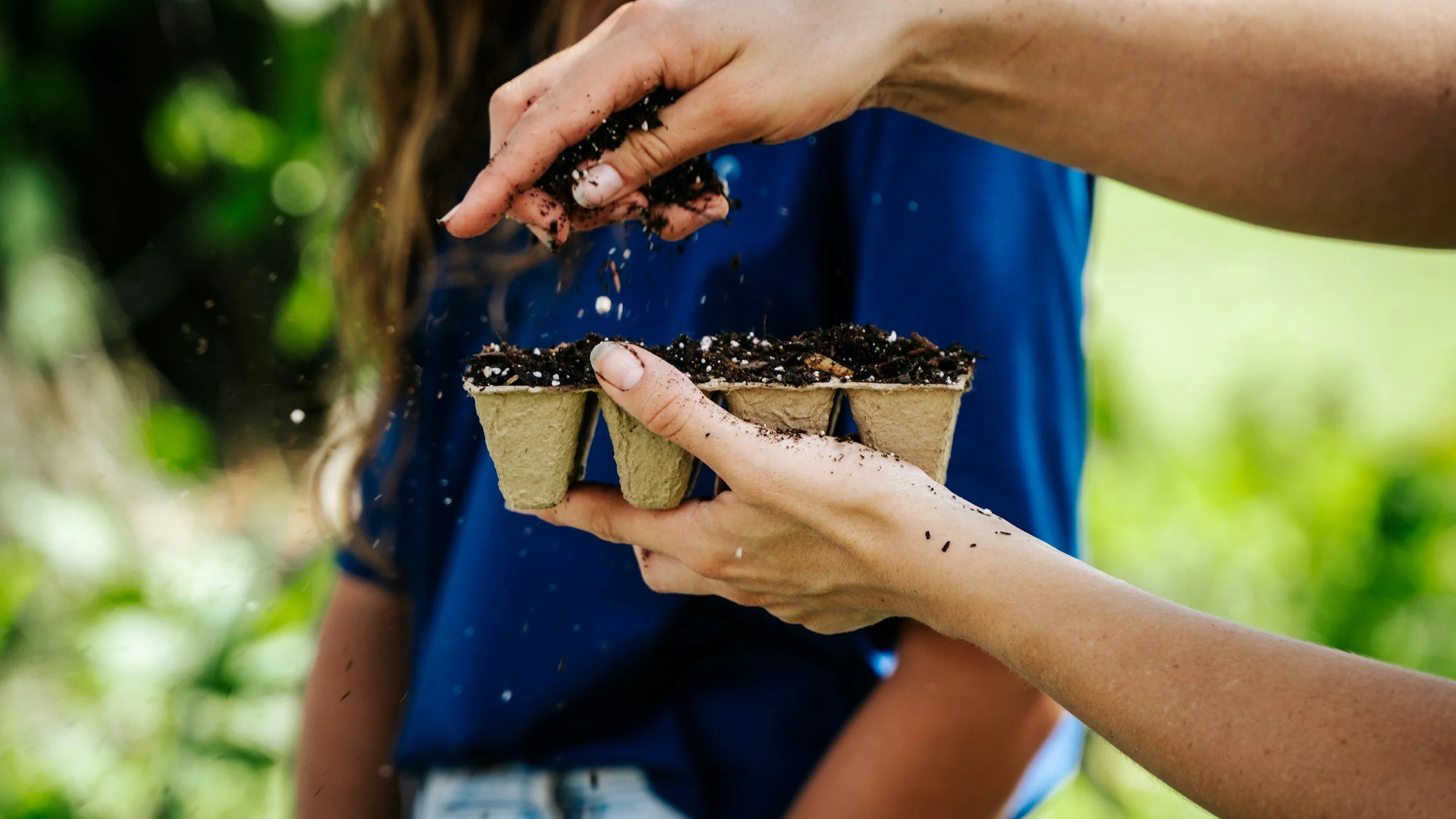
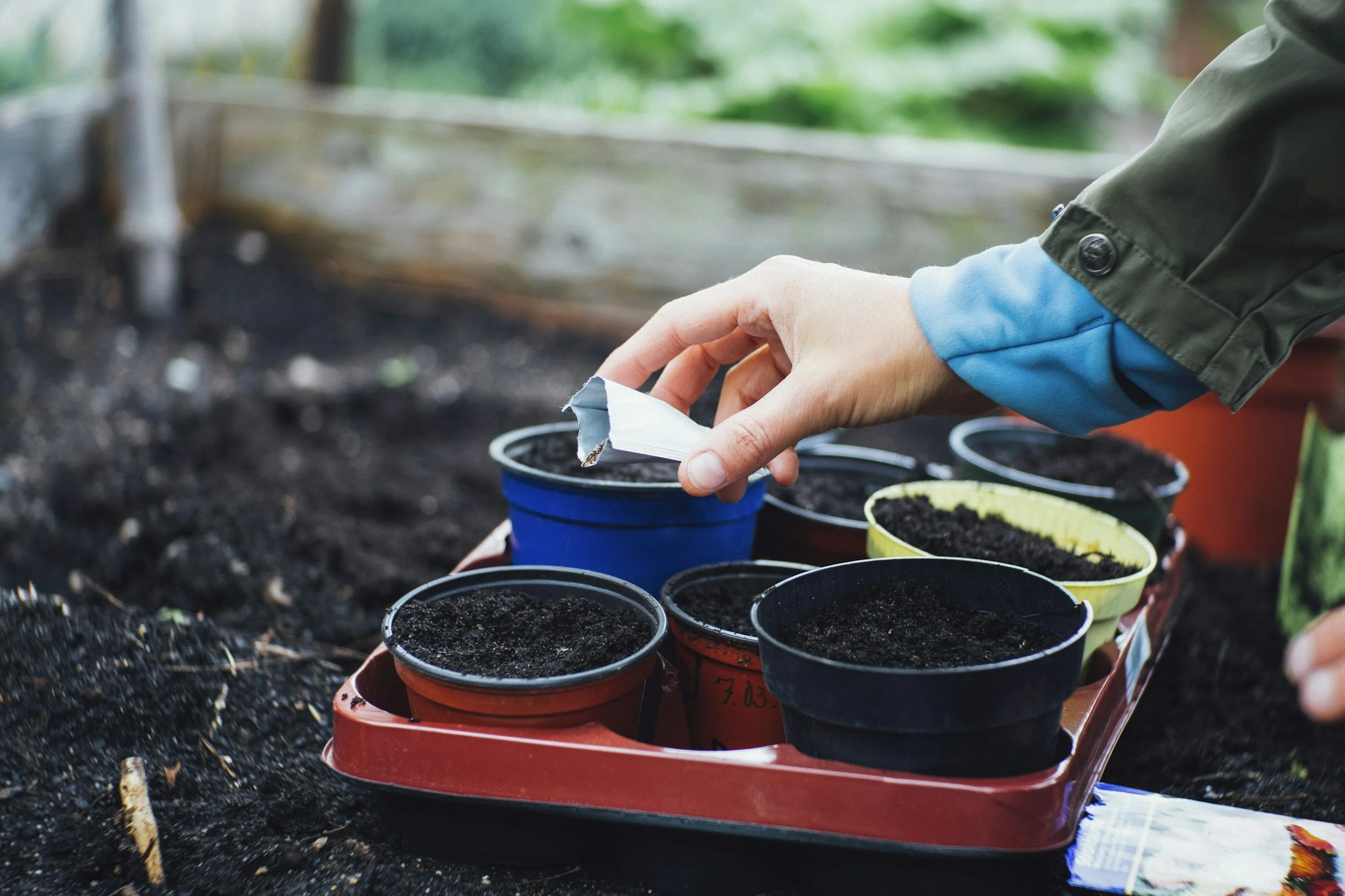
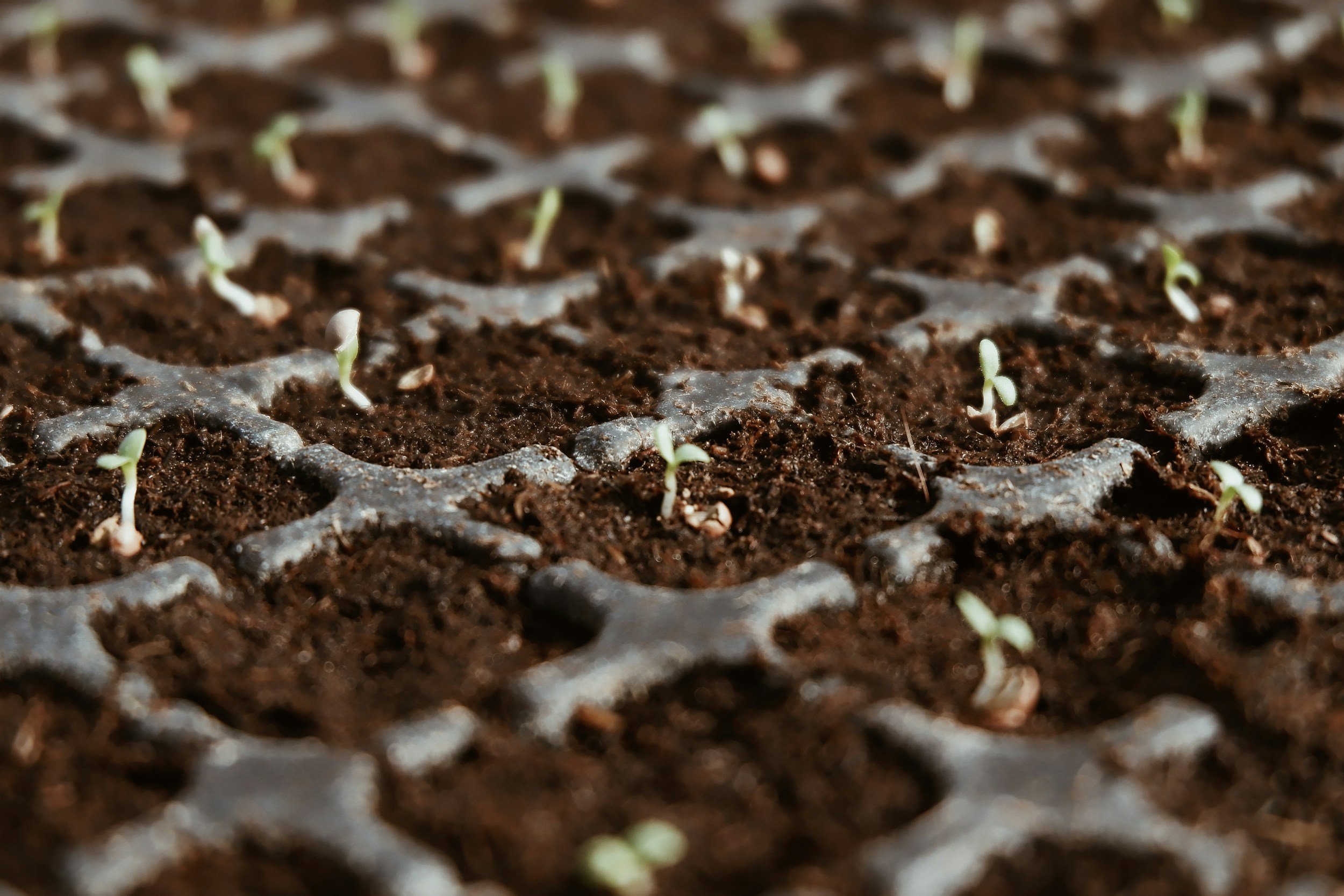
Follow a simple, practical seed-sowing process covering containers, compost, sowing depth, moisture, temperature, labelling and care after germination.
Discover which vegetables are best sown directly and which benefit from starting indoors or under cover. Compare both methods and choose what suits your crop, climate and garden.
Learn how frost dates, soil temperature, nighttime conditions and your local climate determine the best time to sow. Build a flexible sowing calendar that works for your location and garden.
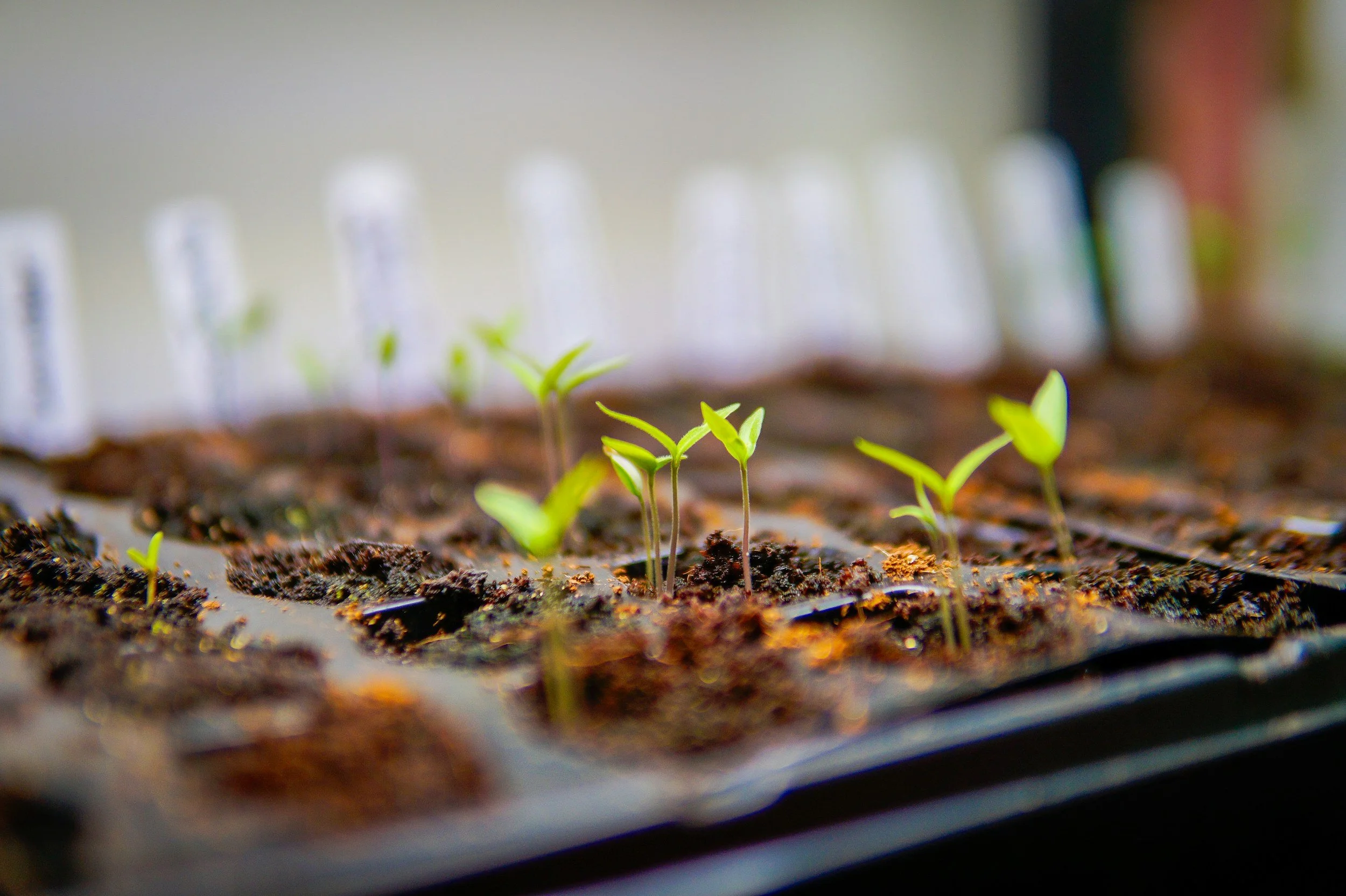
Learn when and how to sow vegetable seeds successfully, whether you are starting them indoors, under cover or directly in the garden. This location-aware guide explains germination, compost, warmth, light, watering and raising healthy seedlings.
Watering & Weather
Learn how to water wisely, protect plants from extreme weather and adapt your garden to changing conditions. These practical, location-aware guides cover soil moisture, efficient watering, rainwater collection, heat, drought, frost, wind and heavy rain.
Collecting rainwater can reduce reliance on mains water and provide a useful reserve during dry periods. Learn how to collect, store and use it safely and efficiently in gardens of different sizes and climates.
Frost, strong winds and heavy rain can damage plants at every stage of growth. Learn how to prepare for severe weather, choose suitable protection and respond according to your plants, location and local climate.
Extreme heat and prolonged drought affect plants in different ways. Learn how to recognise heat stress, prioritise available water and protect crops using shade, mulch, careful watering and climate-aware planning.
Keep water in the soil for longer by protecting its surface, improving its structure and reducing unnecessary evaporation. Explore organic mulches, chop and drop, ground cover and other practical moisture-saving methods.
Seedlings, containers and greenhouse crops dry out differently from plants growing in open ground. Learn how to give them consistent moisture without encouraging waterlogging, weak growth or disease.
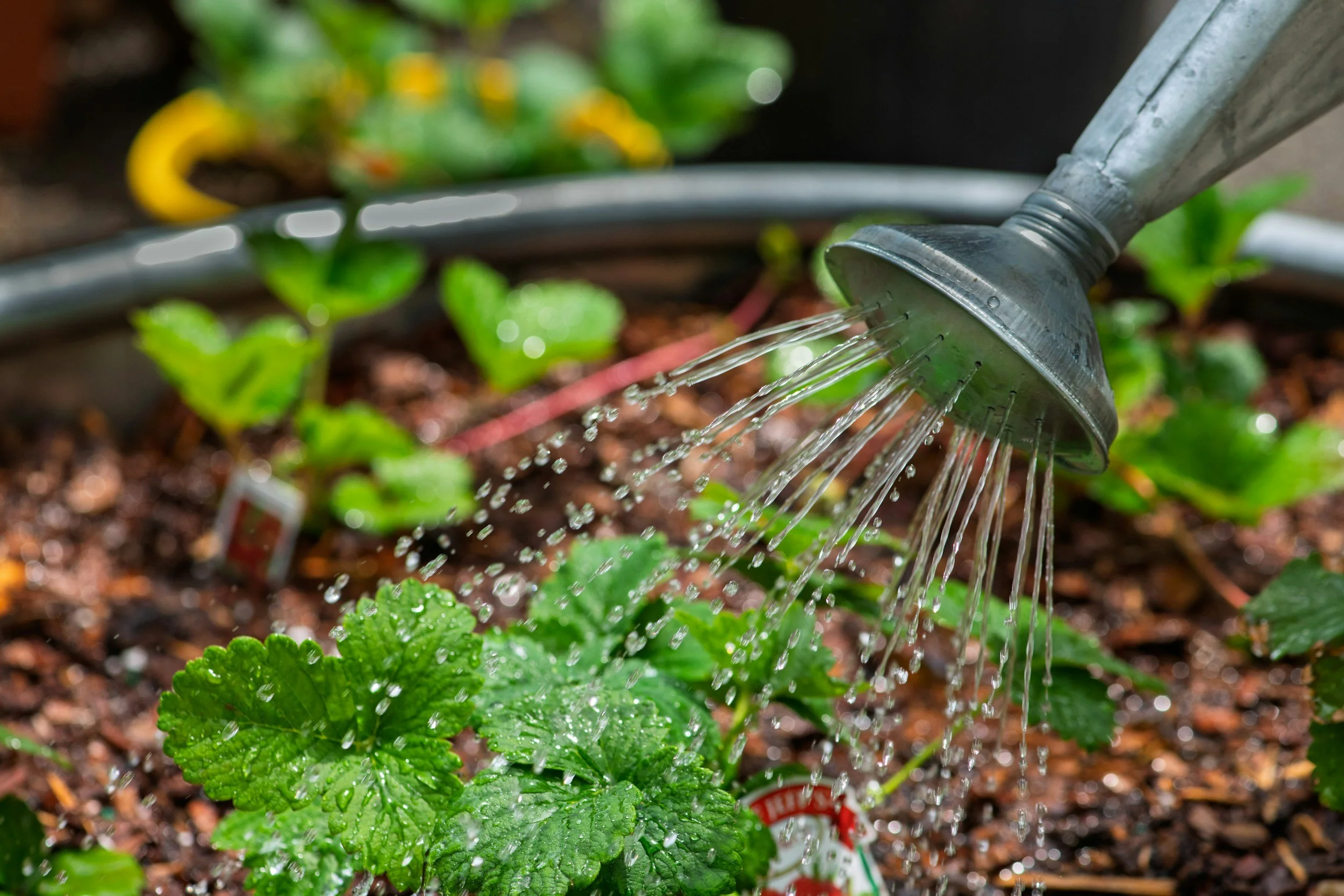
Learn how to water deeply and efficiently, direct water where plants need it and adapt your technique to different soils, crops, seasons and climates without wasting water.
Knowing when to water is more reliable than following a fixed schedule. Learn how to check the soil, recognise signs of water stress and adjust watering to suit your plants, soil, weather and local climate.
Watering well is about more than how much water you apply. This practical guide explains how soil, weather, climate, plant growth and water-saving techniques work together in a resilient garden.
Collecting and Using Rainwater in the Garden
Collecting rainwater can reduce reliance on mains water and provide a useful reserve during dry periods. Learn how to collect, store and use it safely and efficiently in gardens of different sizes and climates.
Gardening Through Heat and Drought
Extreme heat and prolonged drought affect plants in different ways. Learn how to recognise heat stress, prioritise available water and protect crops using shade, mulch, careful watering and climate-aware planning.